

Workplace stress may be a common experience for employees across every industry, yet anxiety presents a distinct set of challenges that can affect productivity and overall well-being. Unlike temporary stress related to a specific deadline, anxiety often persists, creating a sustained state of apprehension or unease. Recognizing how this condition manifests in a professional setting allows you to implement coping strategies.
What Is Anxiety?
Anxiety is a natural response to stress, but it becomes a concern when feelings of fear or nervousness are disproportionate to the situation or interfere with daily functioning. This might manifest as excessive worry about performance, fear of interacting with colleagues, or an overwhelming sense of dread regarding upcoming tasks. While everyone experiences nervousness, an anxiety disorder involves more intense, persistent symptoms that do not easily subside.
Physical and psychological indicators often accompany this condition. Employees might notice physical signs such as a rapid heartbeat, sweating, trembling, or fatigue. Gastrointestinal issues are also frequent complaints. Psychologically, individuals may experience difficulty concentrating, irritability, or a sense of impending doom. These symptoms can create a cycle where the physical discomfort exacerbates the mental distress, making it increasingly difficult to focus on job responsibilities. Recognizing these signs early allows for faster intervention.
How Can It Be Managed?
Managing anxiety in the workplace requires a multifaceted approach that includes personal coping strategies and environmental adjustments. One effective method involves structured breathing exercises. Taking slow, deep breaths can help to lower heart rate, reducing immediate feelings of panic. Employees may perform these exercises discreetly at their desks or during brief breaks. Organization plays a significant role in reducing workplace apprehension. Breaking large projects into smaller, manageable tasks can prevent feelings of being overwhelmed. Creating a prioritized to-do list may help maintain focus on immediate objectives, rather than worrying about the entirety of a workload.
How Is It Treated?
When self-management strategies prove insufficient, professional treatment offers a path toward recovery. Therapy constitutes a primary treatment option for anxiety disorders. It focuses on identifying and changing negative thought patterns and behaviors that contribute to anxiety.
Medication may be prescribed in conjunction with therapy or as a standalone treatment. Anti-anxiety medications and ketamine can work by balancing chemicals in the brain that regulate mood and stress responses. Regular monitoring by a physician guarantees the treatment remains effective, adjusting the prescription as necessary. Lifestyle modifications also support formal treatment. Regular physical activity, adequate sleep, and a balanced diet significantly impact mental health. Prioritizing sleep hygiene helps the brain recover and process stress more effectively. Limiting caffeine and alcohol intake can also prevent the exacerbation of anxiety symptoms.
Confer With a Wellness Specialist
Navigating anxiety alone is rarely an effective path. Connecting with a wellness specialist or mental health professional provides personalized guidance tailored to unique circumstances. These experts can offer diagnostic clarity and develop comprehensive treatment plans that integrate lifestyle changes and medical interventions if needed. Taking the step to consult with a professional demonstrates strength and a commitment to personal health, ultimately enabling a more sustainable and fulfilling professional life.

IV infusion therapy is a medical treatment that delivers fluids, [...]

Workplace stress may be a common experience for employees across [...]

PTSD (post-traumatic stress disorder) is a complex mental health condition [...]

Back pain affects millions of people, and it can significantly [...]
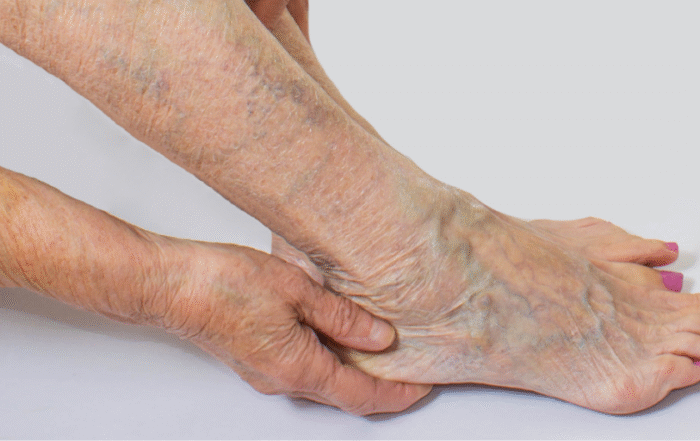
Varicose veins occur when small valves in your blood vessels [...]

Cardiac catheterization is a procedure doctors use to diagnose and [...]

Chronic pain and sleep disturbances often occur together, especially in [...]

Neurology is the branch of medicine that treats disorders of [...]

