
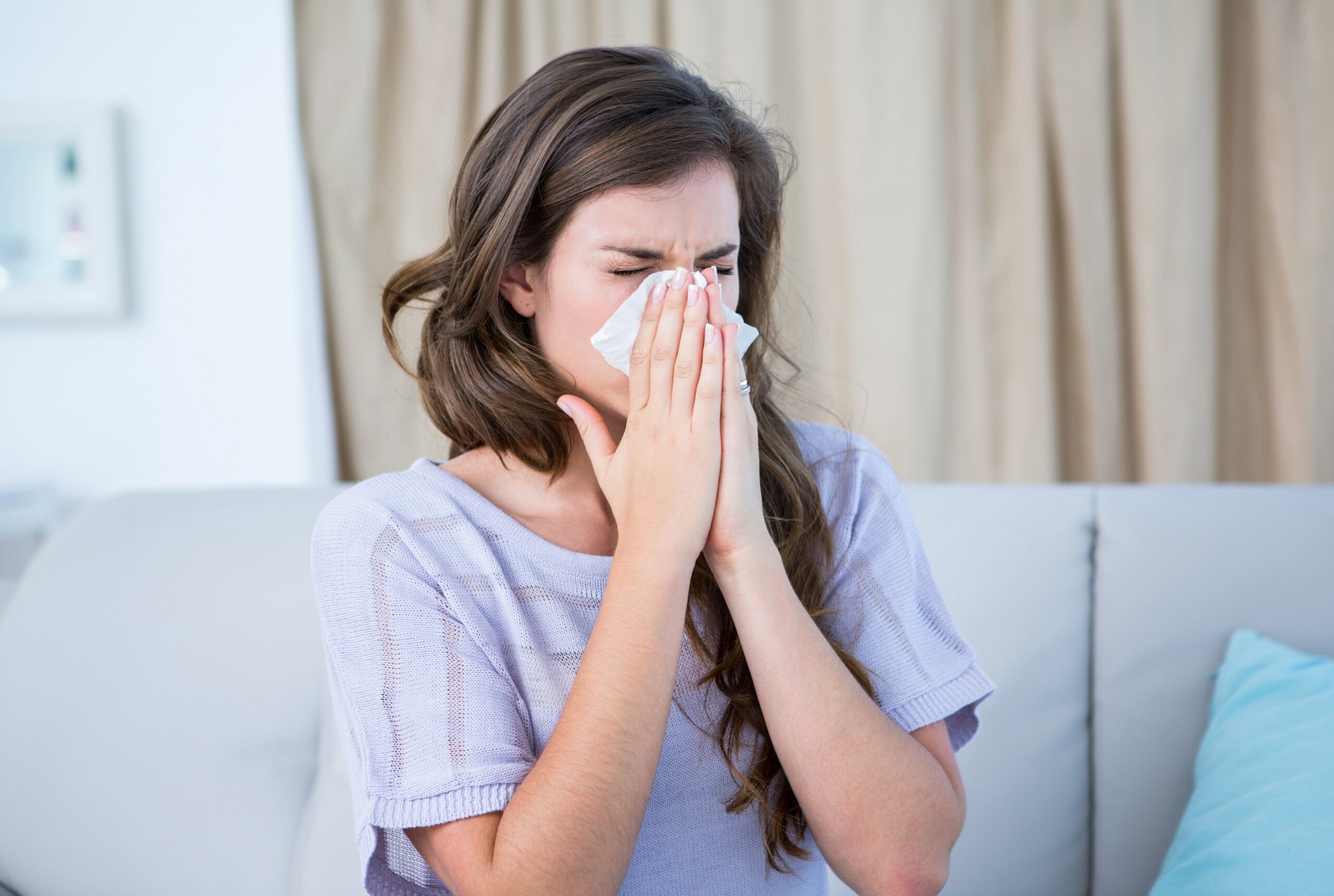
An allergic reaction happens when the body’s immune system responds to a substance that is normally harmless. These substances, known as allergens, can trigger a range of responses when they are inhaled, ingested, or come into contact with the skin. Millions of people experience these reactions, which can vary from mild irritation to more serious conditions. Understanding common allergens and their effects is a key step in managing them.
What Are Common Allergens?
Allergens are present in everyday environments, both indoors and outdoors. The immune system mistakenly identifies these substances as a threat and releases chemicals like histamine, triggering an allergic reaction. Some of the most widespread allergens include:
- Pollen: Fine powders released by trees, grasses, and weeds.
- Dust mites: Microscopic bugs that live in household dust.
- Mold: Fungi that can grow in damp areas of the home.
- Animal dander: Tiny flakes of skin or hair from pets like cats and dogs.
- Certain foods: Common food allergens include peanuts, tree nuts, milk, eggs, soy, and wheat.
- Insect stings: Venom from bees, wasps, and fire ants.
- Medications: Some people have reactions to certain drugs, such as penicillin.
Exposure to these allergens can occur through various means. A person might breathe in pollen, eat a food to which they are allergic, or touch a pet. The type and severity of the allergic reaction can depend on the specific allergen and the individual’s sensitivity to it.
What are Symptoms?
When a person experiences an allergic reaction, they can exhibit a range of symptoms. These symptoms may affect different parts of the body, including the skin, respiratory system, and digestive tract. The onset of symptoms might be immediate or delayed.
Common symptoms are:
- Sneezing, runny or stuffy nose: These are typical signs of hay fever or an allergy to airborne substances.
- Itchy, watery eyes: The eyes may become red and irritated upon exposure to an allergen.
- Skin rash or hives: The skin can develop red, itchy welts of various sizes.
- Swelling: Parts of the body, such as the lips, tongue or face, may swell.
- Shortness of breath or wheezing: The airways can narrow, making it difficult to breathe.
- Stomach cramps, vomiting, or diarrhea: These digestive issues can occur after ingesting a food allergen.
A severe, life-threatening allergic reaction is known as anaphylaxis. This condition requires immediate medical attention. Recognizing these symptoms helps in identifying a possible allergic reaction.
What Preventive Steps Help?
Managing allergies often involves taking steps to reduce exposure to known allergens. Identifying specific triggers is the first step in creating an effective prevention plan. Once triggers are known, a person can make changes to their environment and lifestyle.
For airborne allergens like pollen and dust mites, keeping windows closed during high pollen seasons can help. Using air purifiers with HEPA filters and washing bedding in hot water on a weekly basis can also help reduce exposure. People with pet allergies can limit their contact with animals or create pet-free zones within their homes.
When it comes to food allergies, reading food labels carefully is a primary method of prevention. People with known food allergies learn to avoid specific ingredients when shopping or eating out. Informing restaurant staff about a food allergy can also prevent an accidental exposure and subsequent allergic reaction.
Avoid Allergic Reaction
Knowing the substances that trigger an allergic reaction is fundamental to managing one’s health. By identifying specific allergens, people can take proactive measures to limit their exposure. Making simple adjustments at home and being mindful of your choices when eating out can make a significant difference. Learning more about allergens and their associated symptoms can help you to better control your environment. For personalized information and guidance, speak with a healthcare provider.

Therapy is a structured medical treatment designed to manage various [...]

Cataracts cause clouding in the lens of the eye, and [...]

Epidural steroid injections are a medical treatment for specific types [...]

Untreated OCD (Obsessive-Compulsive Disorder) at work is rarely obvious in [...]

The digestive system is responsible for converting food into the [...]

Custom orthotics offer a scientifically-backed solution for addressing biomechanical inefficiencies [...]

Substance abuse disorders remain a major concern, impacting individuals, families, [...]
General dentists manage a wide spectrum of oral health needs [...]