
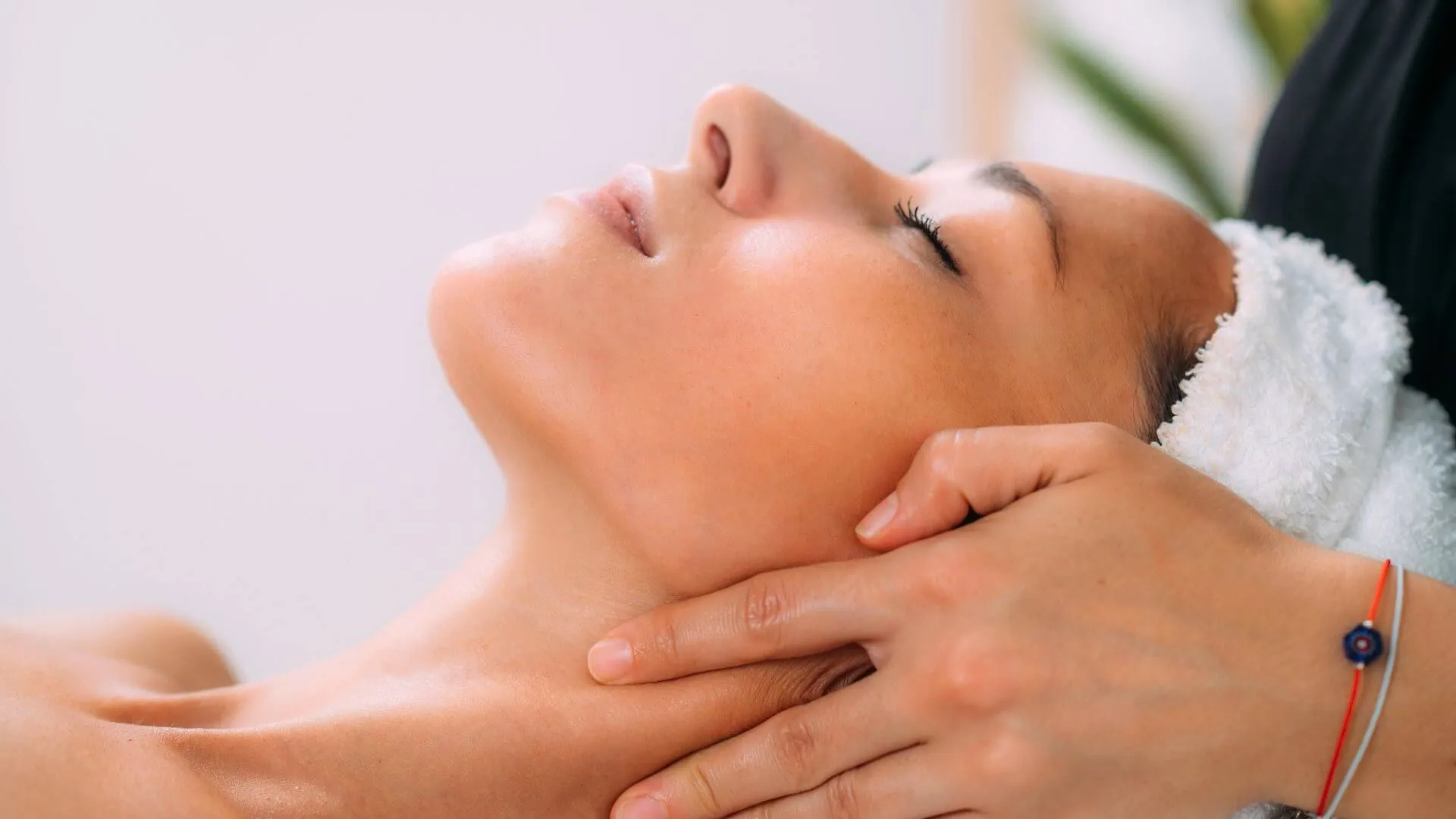
Facials vary in technique and intended use, and selecting the right option begins with understanding your skin type. Each approach works with different levels of hydration, exfoliation, or cleansing, and these processes influence how the skin responds. A treatment that works well for one person may not meet the needs of another. Matching your skin type with a specific method can help you find the treatment aligns with your goals.
Treatments and Skin Type
Skin type influences how the skin tolerates exfoliation and hydration, which makes knowing your type the starting point for selecting a treatment. Oily skin responds well to facials that reduce surface buildup through controlled cleansing. Dry skin often benefits from moisture-forward techniques that add hydration without introducing heavy ingredients. Combination skin may require a balance of buildup removal and moisturization to both dry areas and oil-prone zones.
Sensitive skin typically requires low-friction or mild solutions that avoid irritation. Reactive skin usually responds better to simpler treatments with fewer ingredients. A knowledgable skincare provider can select methods that fit these needs while adjusting the intensity of each step.
Hydration and Exfoliation Options
Hydration-focused treatments support dry or tight skin by introducing water-based serums to help maintain surface balance, and many are developed to absorb quickly. Some hydration methods deliver moisture while simultaneously sweeping away surface debris through water pressure or vacuum-assisted steps, which creates a combined effect that reaches multiple layers. Treatments that rely on lightweight serums often suit those seeking moisture without residue.
Exfoliation treatments address surface buildup created by dead skin cells. Chemical exfoliation, often delivered in low concentrations, helps loosen dull or uneven areas. Physical exfoliation relies on tools or devices that gently remove surface debris. Both approaches help refine texture, and those who want a combined method may choose treatments that blend exfoliation with hydration, such as a hydrafacial.
Facials for Breakouts and Texture
Some facials target congestion or uneven texture. Breakout-prone skin often responds to treatments that include controlled cleansing or mild chemical exfoliants. These steps help reduce the debris that can accumulate inside pores. Treatments that avoid heavy oils also help breakout-prone skin because lighter formulas reduce buildup.
Texture-focused treatments often rely on chemical exfoliants that treat dry or uneven surface areas at controlled strengths. Providers adjust these formulas based on how the skin responds. Some treatments use enzyme-based solutions that break down surface debris without scrubbing.
Changes in Skin Type
Skin type can shift due to environmental factors like temperature and humidity, or due to product use. Noticing any changes in your skin can help you adjust your treatment plan. For instance, dryness may increase during colder seasons, which can make hydration-based options more useful. Higher humidity may increase surface oil, making exfoliation-focused treatments more appropriate. Recognizing these variations allows you to refine your schedule throughout the year.
Learn More About Professional Skincare
Identifying your goals and skin type before booking a facial appointment helps you choose treatments that align with your needs. Providers can explain how each method interacts with your skin type and may be able to recommend steps that support long-term consistency. Asking about exfoliation strength, hydration levels, and expected outcomes gives you clear expectations for each appointment.

Weight loss is often a complex process that involves more [...]
Menopause marks the permanent end of menstrual periods and fertility, [...]

Mental healthcare services focus on improving emotional and psychological well-being. [...]
Geriatric healthcare focuses on promoting and managing the health of [...]
A retinal detachment diagnosis can be concerning. If this has [...]

Musculoskeletal chest pain refers to discomfort originating in the muscles, [...]

Prenatal care is the ongoing medical support provided during pregnancy [...]

An oral surgeon, or a maxillofacial surgeon, is a dental [...]