
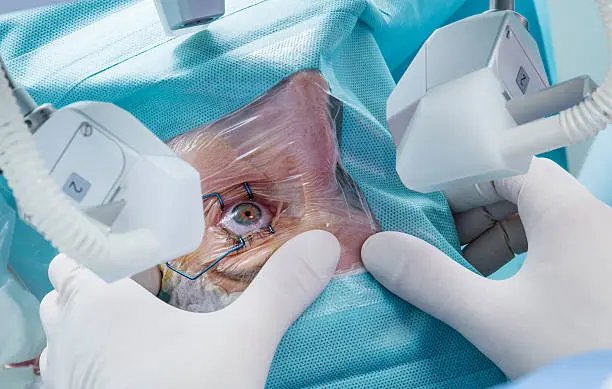
Laser cataract surgery is an advanced approach to cataract removal that uses laser technology to perform key steps of the procedure with high precision. Cataract surgery is also an opportunity to reduce refractive issues that affect vision quality, such as astigmatism, depending on the eye’s health and the selected lens option. Here’s a closer look at how laser-assisted cataract surgery can help with astigmatism:
Correcting Astigmatism During Surgery
Laser cataract surgery uses a specialized laser to perform key steps of the procedure with high precision. The laser creates circular openings in the clouded lens, and it divides the lens into smaller pieces for gentler removal. It also makes precise incisions in the cornea to correct astigmatism.
These incisions, called limbal relaxing incisions (LRIs), reshape the cornea to reduce its irregular curvature, and the laser completes this step in less than 30 seconds. The procedure improves overall vision quality through the combination of cataract removal and astigmatism correction. The laser’s precision reduces risk compared to manual techniques; it creates consistent and accurate incisions that heal predictably.
Exploring Eligibility
Laser-assisted cataract surgery works well for patients with mild to moderate astigmatism. The laser incisions can correct up to 1.5 diopters of astigmatism in most cases. Patients with higher levels of astigmatism may need further treatment, such as toric intraocular lenses (IOLs), to achieve optimal vision.
Toric lenses are specially designed implants that correct astigmatism more effectively than laser incisions alone. Surgeons often recommend toric lenses for patients with severe astigmatism or individuals who want the best possible visual outcomes. Combining laser incisions with toric lenses can provide even greater correction. Some patients may not benefit from laser cataract surgery if they have other eye conditions, such as corneal scarring or severe dry eye. A thorough eye exam helps determine whether this procedure is appropriate.
Comparing Surgery and Toric Lenses
Laser incisions are less invasive and add minimal time to the procedure; they work best for patients with lower levels of astigmatism. Toric lenses offer more predictable and stable results for higher levels of astigmatism. Research indicates that toric lenses provide better visual outcomes for patients with astigmatism greater than 1.5 diopters, and they also reduce dependence on glasses for distance vision. Some surgeons combine both approaches to maximize results. The laser corrects part of the astigmatism with corneal incisions, and the toric lens handles the remaining correction.
Asking Questions
Choosing the right treatment requires a clear understanding of your options. Ask your surgeon the following questions to make an informed decision:
- How much astigmatism do I have, and what correction method do you recommend?
- Will laser incisions alone provide sufficient correction, or do I need a toric lens?
- What are the risks and benefits of each approach for my specific case?
- What visual outcomes can I realistically expect after surgery?
- Are there any other eye conditions that may affect my results?
Your surgeon can explain the pros and cons of each option and guide you toward the best choice for your vision needs.
Book Your Laser Cataract Surgery Appointment
Laser cataract surgery offers a precise and effective way to remove cataracts and correct astigmatism in one procedure. The laser creates accurate corneal incisions that reduce astigmatism for patients. Individuals with higher levels of astigmatism may benefit from toric lenses for optimal results. A skilled surgeon will evaluate your eye health and recommend a personalized plan to improve your vision. Contact a qualified ophthalmologist near you to book your laser-assisted cataract surgery appointment today.

Foot and ankle pain can interfere with daily activities, and [...]

Knee pain is a common musculoskeletal concern that can interfere [...]
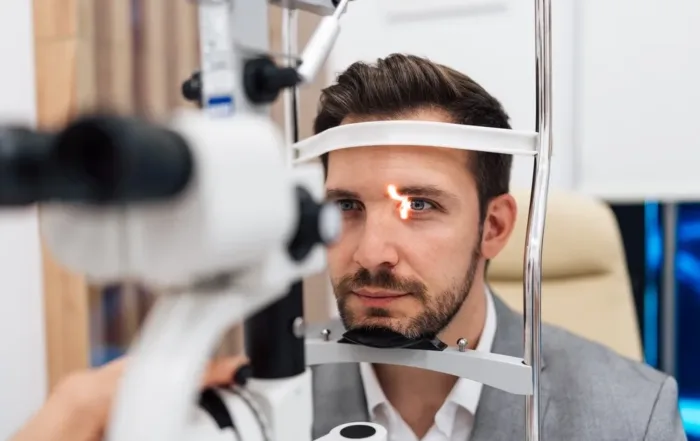
Regular eye exams are a part of maintaining your overall [...]

Seasonal affective disorder (SAD), a type of depression related to [...]
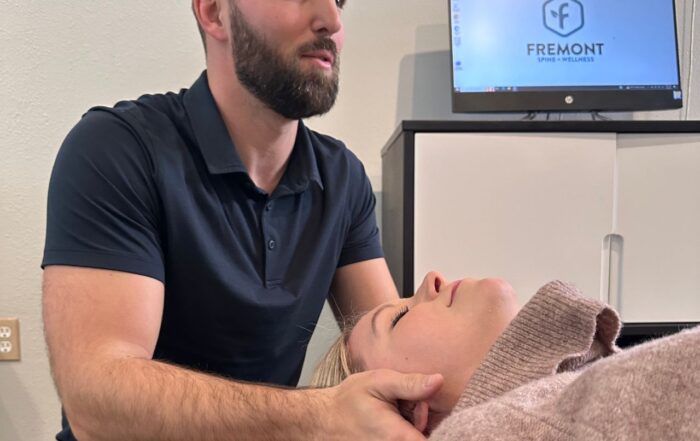
Headaches are among the most common neurological complaints, yet certain [...]
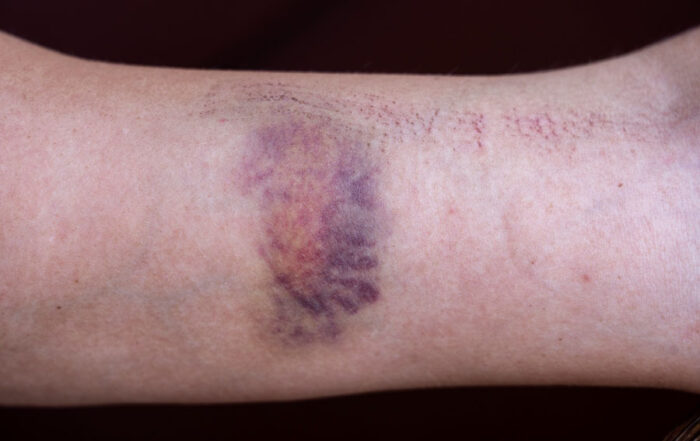
Wounds are common, and while many heal without complications, some [...]

Chronic sinusitis commonly impacts daily life, making simple tasks feel [...]
Laser cataract surgery is an advanced approach to cataract removal [...]