
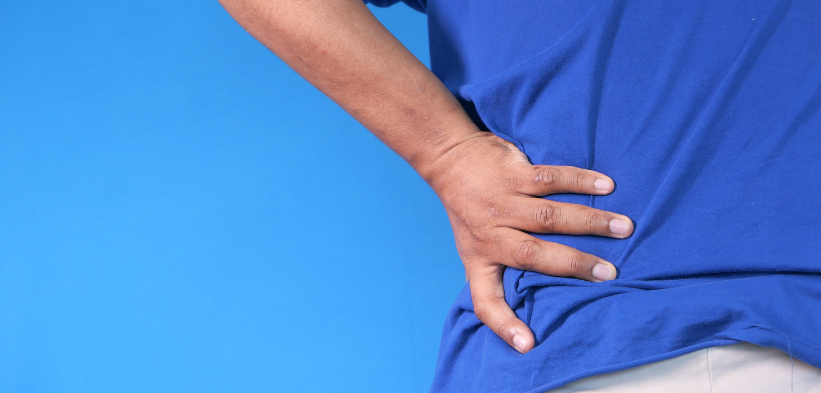
Arthritis and back pain are two conditions that can affect an individual’s quality of life. Managing discomfort benefits from a broad approach, and many people find that a combination of treatments and lifestyle adjustments yields the most effective results. Maintaining the right balance between activity and rest is a key component of handling the challenges these conditions present.
Understanding Arthritis Pain
Arthritis is characterized by joint inflammation, which often leads to pain, stiffness, and swelling. This discomfort can limit a person’s range of motion, causing everyday tasks difficult. While arthritis has the ability to affect any joint, some forms specifically impact the spine, causing chronic back pain. Symptoms may develop gradually or appear suddenly and may range from mild to severe, sometimes fluctuating daily.
Understanding Back Pain
Back pain can come from various sources, including muscles, nerves, bones, and the discs between vertebrae. Common causes range from acute injuries like strains and sprains to chronic conditions such as degenerative disc disease or spinal stenosis. The pain may manifest as a dull, steady ache or a sharp, shooting sensation. It can affect mobility, making it difficult to stand, walk, or sit for extended periods.
Exploring Treatment Options
A healthcare practitioner can recommend a customized treatment plan to address both arthritis and back pain. These plans can integrate a number of strategies to manage symptoms and increase function. The goal is to reduce pain and inflammation while preserving joint mobility.
Available treatment options may include:
- Physical Therapy: Therapists design specific exercises to strengthen muscles that support the joints and spine, improving flexibility and reducing pain.
- Medications: Over-the-counter or prescription medications, such as nonsteroidal anti-inflammatory drugs (NSAIDs) or analgesics, can help control pain and reduce inflammation.
- Minimally Invasive Procedures: In some cases, procedures such as corticosteroid injections can be performed to reduce inflammation directly at the source of pain.
Adopting Healthy Habits
Certain daily routine changes can support medical treatments and help manage symptoms over the long term. Regular, low-impact exercise, such as swimming or walking, supports maintaining joint flexibility and strengthens supporting muscles without placing undue stress on them. A well-balanced diet rich in anti-inflammatory foods may also help manage symptoms. Practicing stress-reduction techniques, such as deep breathing, can help the body cope with chronic pain.
Maintaining Daily Balance
When treating chronic pain from arthritis and back issues, it’s beneficial to find a careful balance between rest and activity to pace yourself and avoid symptom flare-ups.
- Break bigger tasks into smaller, manageable steps.
- Take short breaks throughout the day to rest.
- Pay attention to your body’s signals to avoid overexertion.
- Stay active, but don’t push past your physical limits.
Start Finding Your Relief Balance
Managing arthritis and back pain includes a combination of understanding your condition, exploring treatments, and adopting supportive habits. By working with healthcare professionals and making mindful adjustments to your daily routine, you can develop a personalized strategy for relief. If chronic back pain or arthritis symptoms are affecting you, consult with a professional to begin developing your management plan.
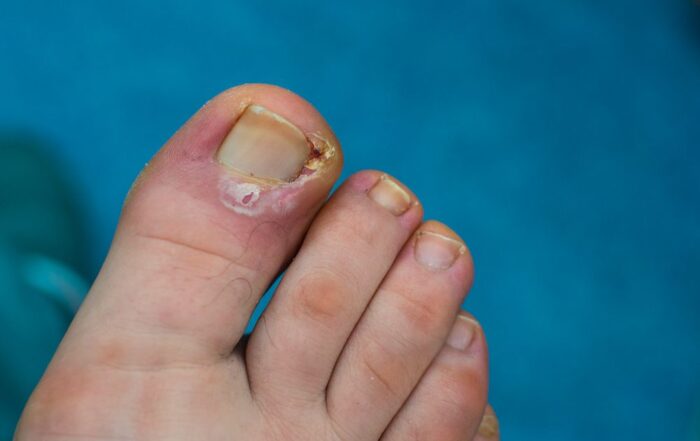
An ingrown toenail occurs when the edge of a toenail [...]

New treatments and technologies are emerging to meet client demands, [...]

Obstetrics is the branch of medicine focused on pregnancy, childbirth, [...]
Arthritis and back pain are two conditions that can affect [...]
Your sinuses are four paired cavities in your head, located [...]

Undergoing ankle surgery marks the beginning of a structured journey [...]

Prenatal care is a foundational component of a healthy pregnancy, [...]

Foot and ankle pain can interfere with daily activities, and [...]