

Table of Contents
- Location and Neighborhood
- Budget and Financing
- Property Condition and Inspection
- Resale Value and Market Trends
- Legal and Financial Aspects
- Lifestyle and Future Plans
- Climate and Environmental Factors
- Conclusion
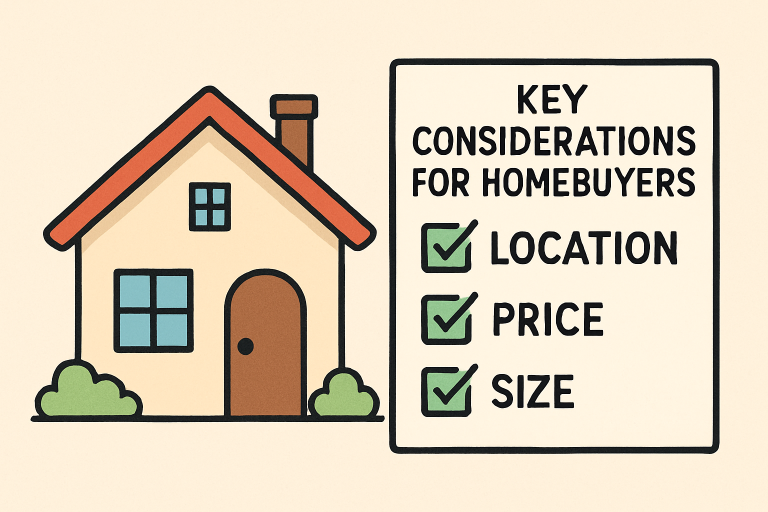
Purchasing a home is more than just a transaction; it is a major life decision that requires careful planning and attention to detail. To navigate this complex process successfully, homebuyers need to consider multiple factors, including location, finances, and long-term goals. Taking a strategic approach not only ensures you find the right property but also protects your investment over time. If you are searching for a specific area, exploring homes for sale in Alpharetta GA can provide insight into desirable neighborhoods and features available in the current market.
The journey to homeownership can feel daunting. By breaking down what matters most, you can move forward with greater clarity and confidence. This guide highlights the key factors to consider, equipping you with the knowledge you need for a smooth purchase that meets your needs and aligns with your plans.
Location and Neighborhood
One of the most influential factors in your home search is the location. The quality of a neighborhood can impact your daily life and the future value of your property. It is important to assess neighborhood safety by reviewing local crime statistics, speaking with residents, and visiting the area at various times of day. Take note of the available amenities and services, such as parks, shopping, hospitals, and entertainment options, which all contribute to daily convenience and overall quality of life.
The reputation of nearby schools also makes a difference, regardless of whether you have children. Properties in strong school districts tend to hold their value better and sell more quickly, which can be essential if you plan to move in the future.
Budget and Financing
Establishing a clear budget is a foundational step. Start by evaluating your savings, income, debts, and credit score to determine what you can realistically afford. Obtaining a mortgage pre-approval before house hunting will not only help you shop within your means but also demonstrate your seriousness to sellers. In addition to the home’s cost, factor in ongoing expenses such as property taxes, insurance, closing costs, and homeowners’ association (HOA) fees, if applicable. Setting aside extra funds for maintenance is also crucial, as unexpected repairs can arise after move-in. For more information on how to get financially ready to buy a house, visit the Consumer Financial Protection Bureau.
Property Condition and Inspection
A thorough property inspection is a vital part of the purchasing process. Hiring a licensed home inspector ensures you receive an unbiased assessment of the property’s current condition, including the foundation, roofing, plumbing, electrical systems, and HVAC units. Pay attention to red flags, such as water damage, mold, outdated wiring, or visible structural issues. These details not only influence negotiations but also protect against unforeseen costs after the sale is final.
Resale Value and Market Trends
Even if you plan to stay long term, understanding the area’s real estate trends can shape your investment decision. Research local price trends, inventory levels, and long-range development plans that may affect the neighborhood’s value. For example, according to CNBC, U.S. existing home sales in April 2024 fell 0.5% from March, reflecting a challenging market amid high mortgage rates and rising prices. Such insights help you anticipate market conditions and protect your investment potential during resale.
Legal and Financial Aspects
Legal due diligence is as important as the physical evaluation of your future home. Conduct a title search to confirm the property is free from liens or disputes. Understand that property taxes differ widely by location, sometimes comprising a high annual cost. Budget for HOA dues if your property is in a managed community, as these fees often cover shared amenities or neighborhood maintenance. If you are considering renovations, check for any local zoning or restriction laws that may apply. You can find further details about legalities in home buying at the Consumer Financial Protection Bureau.
Lifestyle and Future Plans
Choose a home that supports your current lifestyle and anticipated changes. Think about the number of bedrooms and bathrooms needed, the importance of outdoor space, garage or parking requirements, and proximity to work or family. Consider how future events, such as a growing family, remote work needs, or aging in place, might impact your requirements. A property that adapts to your evolving needs can offer peace of mind and stability through the years.
Climate and Environmental Factors
Environmental risks such as floods, hurricanes, and fires should be part of your assessment. Research whether the area is prone to natural disasters and inquire about the home’s resilience features, such as reinforced windows or sump pumps. Factor in the property’s energy efficiency and sustainability, as this can influence long-term costs and daily comfort. Thoughtful consideration of climate and environmental factors helps you select a location that is both safe and practical for your needs. Additional guidance for climate-conscious buyers is available at Redfin.
Conclusion
Making a smart home purchase involves much more than selecting a property that looks appealing. By carefully evaluating location, budget, property condition, and other essential considerations, you can feel confident that your choice will meet your present and future needs. A thoughtful, well-researched approach empowers you to make a lasting investment that you and your family will enjoy for years to come.
- Mental Health Check-Ins for Omaha, Nebraska Families: Simple Support for School, Work, and Stress
- Everyday Spine Care: Simple Habits for Desk Work, Sports, and Active Living
- Need a Local Bail Bondsman in Pennsylvania? Liberty Bail Bonds Explains How to Request Fast, County-Based Help
- Nova Orthodontics Helps Mukilteo, Washington Patients Address Crooked Teeth With Invisalign
- A Practical Guide to Designing a Bathroom That Is Safer and Easier to Maintain in Lakeland, Florida
Key Takeaways Brief, regular check-ins can help families notice stress [...]

Spine care does not have to mean following a complicated [...]

Key Takeaways Liberty Bail Bonds has operated in Pennsylvania since [...]

Key Takeaways Nova Orthodontics offers Invisalign treatment for children, teens, [...]

Key Takeaways A successful Lakeland bathroom remodel should prioritize everyday [...]

Chronic pain is a challenge that touches the lives of [...]

Planning a Gulf Coast getaway often comes down to one [...]

Finding out that your liver enzymes are high can be [...]