
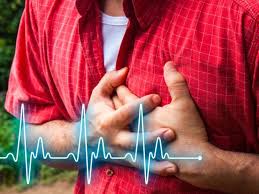
Heart palpitations cause your heartbeat to feel unusually strong, fast, or irregular. While they can be alarming, most palpitations are harmless and resolve on their own. Common causes include stress, caffeine consumption, physical exertion, and certain medications; underlying heart conditions may sometimes be responsible. Here is more information about palpitation and the common causes:
Heart Palpitations
Heart palpitations describe the sensation of your heart beating too hard, too fast, or irregularly. You might feel these sensations in your chest and throat, or they may be present in the neck. Some describe palpitation as a fluttering, pounding, or racing feeling that can last seconds or minutes.
Most palpitations are brief and harmless. They occur when your heart rate changes suddenly, which can happen during exercise, emotional stress, or after consuming stimulants like caffeine. While they can be unsettling, palpitation rarely indicates serious health problems, but if you experience them alongside chest pain, dizziness, or shortness of breath, seek medical attention promptly.
Common Triggers
Several factors can trigger heart palpitations:
- Stimulants: Coffee, tea, energy drinks, and certain medications containing caffeine or pseudoephedrine can increase heart rate
- Stress and anxiety: Emotional distress releases hormones that accelerate your heartbeat
- Physical activity: Exercise naturally elevates heart rate, which some perceive as palpitations
- Nicotine and alcohol: Both substances affect heart rhythm and may trigger irregular beats
- Hormonal changes: Pregnancy and menopause alter hormone levels that influence heart function
- Certain medications: Asthma inhalers, decongestants, and thyroid medications may cause palpitations as a side effect
Medical conditions like anemia, thyroid disorders, low blood sugar, and dehydration can also cause palpitations. In rare cases, heart conditions such as arrhythmias or valve problems are responsible.
Symptom Journal
Keeping a detailed record helps pinpoint the causes of your palpitations. Note the time and duration of each episode, and you can give an intensity rating as well. Document what you were doing, eating, or drinking beforehand, along with your emotional state and any medications taken.
Pattern recognition becomes easier with consistent tracking. You might notice palpitations occur after your morning coffee or during stressful work meetings. This information may prove valuable when discussing symptoms with your doctor, and they can determine whether further testing is necessary.
Treatment Options
Treatment depends on the underlying cause. If lifestyle factors trigger your palpitations, simple modifications may provide relief:
- Reduce or eliminate caffeine and alcohol consumption
- Practice stress-management techniques like deep breathing, meditation, or yoga
- Maintain regular sleep schedules and get adequate rest
- Stay hydrated and eat balanced meals to prevent blood sugar fluctuations
- Avoid tobacco products and recreational drugs
When palpitation results from anxiety, cognitive behavioral therapy or relaxation techniques can help manage stress responses. Your doctor might recommend these approaches before prescribing medication.
If an underlying medical condition causes your palpitation, treating that condition typically resolves the symptoms. Thyroid disorders require hormone regulation, but anemia needs iron supplementation or other interventions. Heart rhythm disorders may necessitate medications called beta-blockers or calcium channel blockers, which help regulate heartbeat. In some cases, procedures like catheter ablation correct abnormal electrical pathways in the heart.
Learn More About Heart Palpitations
Heart palpitations usually stem from benign causes like caffeine, stress, or physical activity, and identifying your specific triggers through careful tracking allows you to make informed lifestyle adjustments. While most palpitations are harmless, those accompanied by concerning symptoms warrant immediate medical evaluation. To learn more about the causes of and treatments for heart palpitations, consult a cardiovascular specialist near you.
- Responsible AI and Data Governance in Financial Services: A Practical Guide for the U.S. Virgin Islands
- How To Build A Strong Personal Injury Claim In Pennsylvania
- A Practical Safety Plan for Older Adults Living Alone
- 10 Examples Of Medical Malpractice That Patients Should Know
- Innovations in Advanced Urology Treatments

Key Takeaways Reliable financial AI depends on accurate, traceable, well-permissioned [...]

Key Takeaways Put safety and medical care ahead of evidence [...]

Key Takeaways Living alone can be safe when daily routines, [...]
Atlanta patients often receive care from large hospital systems, neighborhood [...]
Diagnostic Precision and Risk Stratification in Modern Urology The foundation [...]
Key Takeaways A recurring SUV problem should be documented from [...]

A printed guide succeeds when it helps someone complete a [...]
Key Takeaways An arrest or citation is an allegation, not [...]