
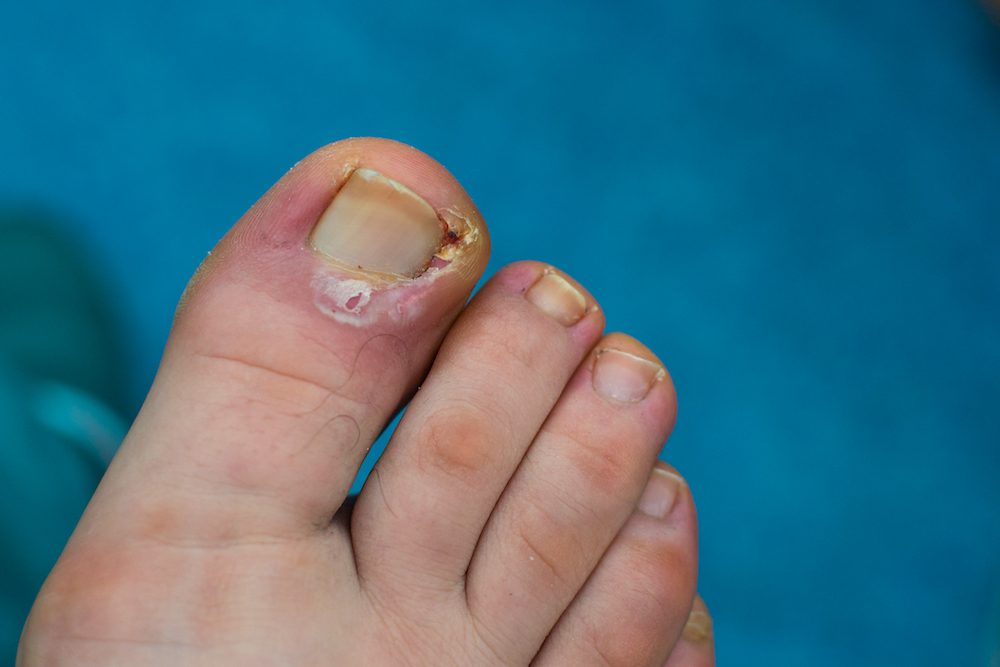
An ingrown toenail occurs when the edge of a toenail grows into the surrounding skin, and it can cause discomfort and swelling. This common condition, medically known as onychocryptosis, may affect anyone. Podiatrists are foot and ankle specialists who can properly diagnose the issue and recommend an appropriate course of action. Understanding their approach may help you know what to expect during a visit.
Diagnosis Methods
When you visit a podiatrist for a suspected ingrown toenail, the first step is a physical examination of the affected toe. The specialist will look for signs such as redness, swelling, and tenderness along the nail fold. They will also assess the shape and growth pattern of the toenail to understand how it is pressing into the skin, and in most cases, a visual inspection is sufficient for a diagnosis. The podiatrist will ask about your symptoms, how long you’ve had them, and what activities make the discomfort worse. An X-ray is generally not needed unless the podiatrist suspects a more complicated issue, like an underlying bone infection. This thorough evaluation helps determine the severity of the condition and the best treatment path.
Treatment Options
Based on the diagnosis, a podiatrist can offer several treatment options. For mild cases, conservative treatment may be sufficient. This can involve lifting the nail edge and placing a small piece of cotton or a splint beneath it; this encourages the nail to grow above the skin edge. You may also receive guidance on proper foot hygiene and nail-trimming techniques to prevent recurrence.
A minor surgical procedure might be recommended for more significant or recurring ingrown toenails. This is a common in-office procedure performed with local anesthesia. The podiatrist will remove the ingrown portion of the nail, and this procedure provides lasting relief. In some cases, a chemical is applied to the nail matrix to prevent that part of the nail from growing back, which can help prevent the problem from returning.
Professional Help
Some minor ingrown toenails may be managed at home, but certain situations require professional care. If you experience severe pain, see pus or drainage, or notice a foul odor coming from the toe, it is recommended that you see a podiatrist. These can be signs of an infection that needs prompt attention. You should also seek professional help if the problem persists or worsens despite home care.
Individuals with certain medical conditions, such as diabetes, nerve damage, or poor circulation in the feet, should see a podiatrist at the first sign of an ingrown toenail. These conditions may increase the risk of complications, so professional management is advisable. Attempting to treat an ingrown toenail yourself in these cases could lead to more complex issues.
Ask a Podiatrist Today
Dealing with an ingrown toenail can be a painful experience, but you do not have to take care of it yourself. A podiatrist has specialized training to accurately diagnose the condition and provide effective treatment. They can explain your options, answer your questions, and help you understand each step of your care. Early intervention can reduce the risk of complications and help you return to normal activities sooner. If you have concerns about an ingrown toenail, reach out to a local foot and ankle specialist for guidance.
- Responsible AI and Data Governance in Financial Services: A Practical Guide for the U.S. Virgin Islands
- How To Build A Strong Personal Injury Claim In Pennsylvania
- A Practical Safety Plan for Older Adults Living Alone
- 10 Examples Of Medical Malpractice That Patients Should Know
- Innovations in Advanced Urology Treatments

Key Takeaways Reliable financial AI depends on accurate, traceable, well-permissioned [...]

Key Takeaways Put safety and medical care ahead of evidence [...]

Key Takeaways Living alone can be safe when daily routines, [...]
Atlanta patients often receive care from large hospital systems, neighborhood [...]
Diagnostic Precision and Risk Stratification in Modern Urology The foundation [...]

Key Takeaways A recurring SUV problem should be documented from [...]

A printed guide succeeds when it helps someone complete a [...]

Key Takeaways An arrest or citation is an allegation, not [...]