
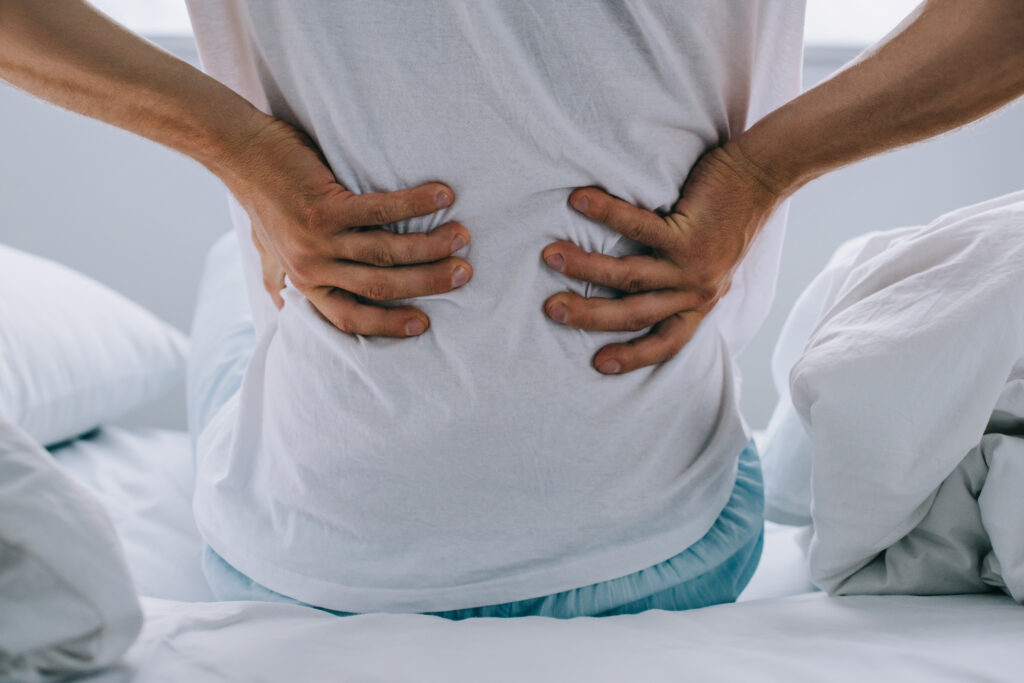
Low back pain is a widespread health issue that affects many. Anatomical problems often cause this condition; recent research highlights the association between psychosocial factors and physical symptoms. Higher levels of stress correlate with an increased likelihood of experiencing chronic pain issues; medical professionals now recognize that stress exerts a major effect on health status by influencing cortisol secretion and other responses.
Stress Levels and Back Pain
Studies have analyzed data from over 8,000 participants to determine if self-reported stress levels align with reports of chronic back pain. Researchers divided participants into four categories based on their perceived daily stress, ranging from no stress to severe stress. The analysis revealed a clear trend where the likelihood of reporting chronic pain increased as the severity of stress rose. Individuals who reported severe stress faced a much higher risk.
Statistical analysis confirmed that this association remained significant even after adjusting for variables like age, sex, and other environmental factors. Severe stress was associated with a 2.8-fold increase in the risk of chronic low back pain when compared to the general population baseline. This finding suggests that the degree of stress serves as a crucial indicator for potential pain issues. The data provide compelling evidence that psychological states directly influence physical pain manifestation in the lower back.
Stress Effects on Pain
Stress affects the pain system through complex neuroendocrine mechanisms. It involves the hypothalamic-pituitary-adrenal axis and the sympathetic nervous system. The hypothalamus triggers the release of specific hormones during stress, and these hormones activate neurons in the brain. They also lead to the release of cortisol. Cortisol usually acts as an anti-inflammatory substance, but chronic stress can disrupt this system, and repeated high-intensity stress can cause cortisol dysfunction, which triggers inflammatory responses in the body.
This inflammation can cause oxidative stress and cellular injury. These changes contribute to tissue degeneration and chronic pain. Studies support the idea that these physiological responses explain why people with high stress report more frequent pain, and they show that stress is not only a mental state but also a physical process that changes how the body manages pain. Understanding these mechanisms helps explain the strong correlation between severe stress and chronic low back pain.
Stress Management for Back Pain
The strong association between stress and back pain suggests that clinicians must evaluate stress levels in patients with chronic symptoms. Traditional treatment plans often focus only on anatomical or organic problems, but this approach ignores a significant contributing factor. Physicians can assess a patient’s stress level through simple questions about daily life and mental burden. Addressing psychological factors may improve the effectiveness of pain management.
Interventions that reduce anxiety or increase physical activity can lower pain intensity for patients with high stress, and antidepressant therapy may also help if the patient shows signs of depression or severe stress. A comprehensive treatment plan should include stress management techniques alongside physical therapies, and medical providers who recognize this link can offer more holistic care that targets both the physical and psychological roots of pain.
Find Relief
There’s a significant direct association between the degree of perceived stress and the presence of chronic low back pain. This study demonstrates that severe stress leads to a notably higher risk of developing chronic pain compared to those with lower stress levels. The physiological impact of stress on the body’s inflammatory and hormonal systems provides a basis for this connection. Find a specialist in your area to talk to for relief.

Gaming content has a trust problem. Although they are not [...]

Key Takeaways Consider each room’s function and traffic to guide [...]

Secaucus, New Jersey, is home to a healthcare network that [...]

Table of Contents Improved Posture Enhanced Mobility and Flexibility Stress [...]

Key Takeaways Puzzle-solving improves memory, problem-solving skills, and attention span [...]
Introduction to Holistic End-of-Life Care End-of-life care represents one of [...]

Eczema is a chronic skin condition that causes dry, itchy, [...]
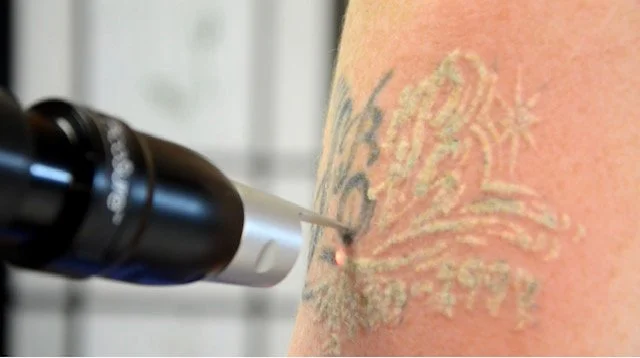
Many individuals no longer want their body ink, so they [...]