
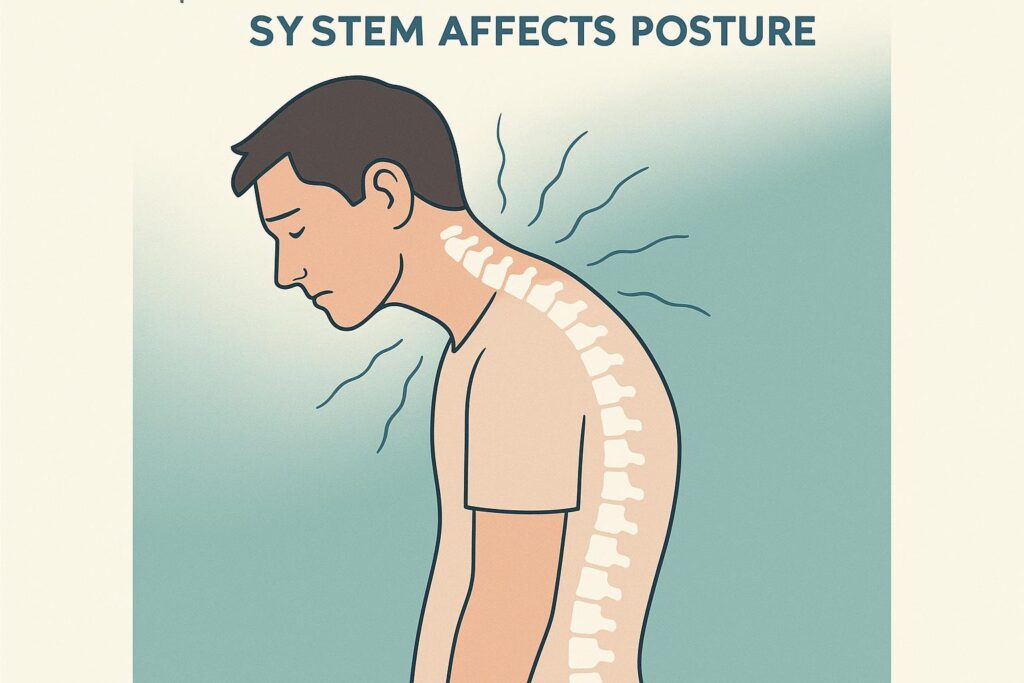
Anxiety is more than a mental or emotional experience; it can also affect the body in measurable ways. When anxiety becomes frequent or ongoing, it may contribute to physical symptoms such as muscle tension, headaches, digestive changes, and increased heart rate. Here’s a closer look at the link between anxiety and physical health:
Rewiring the Body’s System
The body responds to perceived threats by activating the fight-or-flight response. This system releases stress hormones such as cortisol and adrenaline, and prepares the body to respond to danger. Heart rate increases, breathing becomes rapid, and muscles tense. These changes are helpful in actual emergencies, but chronic anxiety keeps this system turned on.
When the body remains in a heightened state for extended periods, it struggles to return to baseline. The nervous system becomes overactive, and the body interprets everyday situations as threats. The constant activation strains multiple organ systems and disrupts normal bodily functions.
Exploring Symptoms of Anxiety
Physical symptoms of anxiety vary widely among individuals. Some people experience mild discomfort, while others face severe disruptions to daily life. Here are common physical manifestations:
- Rapid heartbeat or chest pain.
- Shortness of breath or hyperventilation.
- Muscle tension, particularly in the neck, shoulders, and jaw.
- Digestive issues, including nausea, diarrhea, or stomach pain.
- Headaches or migraines.
- Dizziness or lightheadedness.
- Fatigue or difficulty sleeping.
- Sweating or trembling.
These symptoms can occur suddenly or develop gradually, and they often create a cycle in which physical discomfort increases anxiety.
Understanding The Two-Way Loop
The relationship between anxiety and physical health operates in both directions. Chronic health conditions can trigger or worsen anxiety, just as anxiety can create or intensify physical symptoms. Someone with a heart condition may develop anxiety about their health, which then causes further cardiovascular stress.
Sleep disturbances provide another clear example of this bidirectional relationship. Anxiety often interferes with sleep quality, leading to fatigue and reduced ability to manage stress. Poor sleep then amplifies anxious feelings, and it creates a cycle that’s difficult to break without intervention.
Breaking the Cycle
Addressing the physical effects of anxious feelings requires a comprehensive approach. Here are strategies that can work together to reduce symptoms and improve overall health:
- Regular physical activity: Exercise reduces stress hormones and promotes the release of endorphins, which improve mood naturally.
- Consistent sleep schedule: Maintaining regular sleep patterns helps regulate the body’s stress response and improves resilience.
- Balanced nutrition: A diet rich in whole foods supports brain function and stabilizes energy levels.
- Mindfulness practices: Techniques like deep breathing and meditation calm the nervous system and reduce physical tension.
- Professional support: Therapy options, such as cognitive-behavioral therapy, help identify thought patterns that contribute to anxious feelings.
Transcranial magnetic stimulation (TMS) offers a noninvasive treatment option that adjusts brain function to manage anxiety effectively.
Schedule Your Anxiety Consultation Today
The connection between anxiety and physical health demonstrates why addressing mental well-being is fundamental to overall health. When you understand how anxious feelings affect your body, you can take meaningful steps toward recovery. For persistent anxious feelings that interfere with daily life, contact a trusted mental health specialist near you to schedule your appointment today.
- Responsible AI and Data Governance in Financial Services: A Practical Guide for the U.S. Virgin Islands
- How To Build A Strong Personal Injury Claim In Pennsylvania
- A Practical Safety Plan for Older Adults Living Alone
- 10 Examples Of Medical Malpractice That Patients Should Know
- Innovations in Advanced Urology Treatments

Key Takeaways Reliable financial AI depends on accurate, traceable, well-permissioned [...]

Key Takeaways Put safety and medical care ahead of evidence [...]

Key Takeaways Living alone can be safe when daily routines, [...]
Atlanta patients often receive care from large hospital systems, neighborhood [...]
Diagnostic Precision and Risk Stratification in Modern Urology The foundation [...]

Key Takeaways A recurring SUV problem should be documented from [...]

A printed guide succeeds when it helps someone complete a [...]

Key Takeaways An arrest or citation is an allegation, not [...]