

Back pain is one of the most common medical concerns worldwide, affecting individuals across all ages and professions. While its physical symptoms are often the primary focus of diagnosis and treatment, backache also has significant psychological consequences that influence mood, behavior, and overall quality of life. Persistent discomfort may contribute to stress, anxiety, depression, and reduced daily functioning, creating a complex cycle that hinders recovery.
Managing Chronic Emotional Strain
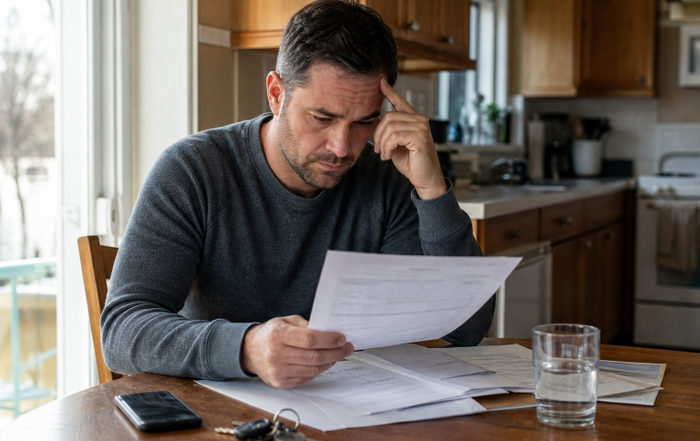
Living with ongoing back pain is an isolating experience. You might skip social events or avoid activities you once enjoyed. Keeping up with work and family also becomes a struggle. Over time, these limits lead to feelings of frustration and sadness. Chronic backache causes mood disorders. The constant discomfort drains your energy and makes it hard to stay positive.
Anxiety often accompanies chronic spine pain. You might worry about the next flare-up or if your condition will get worse. This sometimes creates a constant state of hypervigilance. You may feel like you’re always on edge, waiting for the next wave of pain. This fear is exhausting and impacts your mental well-being, while making it difficult to focus on healing.
Changing Behavioral Patterns
Back pain can significantly alter daily life, often affecting mental well-being. Avoiding physical activities due to pain is common, but this has unintended consequences. Reduced activity may weaken muscles, increase stiffness, and worsen pain over time. It sometimes leads to weight gain, adding strain to the spine and joints. These physical limitations create a negative cycle, making recovery more challenging.
Chronic backache also affects social and professional life. Many people avoid social activities or hobbies due to fear of pain or lack of energy, leading to isolation and loneliness. At work, tasks requiring physical effort or long hours of sitting become difficult, leading to stress, financial strain, and reduced self-esteem. Together, these changes highlight how back pain influences both physical and emotional well-being.
Disrupting the Pain Cycle
Chronic back pain is complicated because it involves both the brain and the nervous system. Pain signals travel from your back to your brain, where they are processed. With chronic pain, this system becomes overly sensitive, causing your brain to interpret pain more intensely. It may even react to stimuli that wouldn’t normally cause discomfort.
Stress and negative emotions do make this worse. Anxiety or depression triggers stress hormones that increase inflammation and pain sensitivity. This creates a cycle where pain leads to stress, and stress worsens the pain. Breaking this cycle requires addressing both physical and emotional factors. Focusing only on the physical aspects of spine pain often provides limited relief if the psychological components are ignored.
Supporting Mental Health Needs
Managing the psychological impact of backache requires a combination of physical and mental health approaches. Treatments like medications, injections, and physical therapy are essential for reducing pain and improving function. Adding mental health support greatly enhances overall well-being. Cognitive-behavioral therapy (CBT) is one effective option, teaching coping skills, relaxation techniques, and ways to reframe your relationship with pain.
Staying active and building a support network are equally necessary for managing back pain. Gentle exercises such as walking, swimming, or yoga strengthen muscles, improve flexibility, and boost mood by releasing endorphins. Always consult a healthcare provider before starting new physical activities to confirm that they suit your condition. Support groups, whether online or in person, are also valuable.
Schedule Your Back Pain Consultation
Backache affects more than just your spine. It also reshapes your emotions, your daily routines, and your overall sense of well-being. Recognizing the psychological dimensions of your pain is a key step toward finding comprehensive relief. If you’re struggling with chronic back pain and its emotional effects, seek professional support. Book a consultation with a back pain specialist near you to address both the physical and mental aspects of your condition and available treatment options.
- Responsible AI and Data Governance in Financial Services: A Practical Guide for the U.S. Virgin Islands
- How To Build A Strong Personal Injury Claim In Pennsylvania
- A Practical Safety Plan for Older Adults Living Alone
- 10 Examples Of Medical Malpractice That Patients Should Know
- Innovations in Advanced Urology Treatments

Key Takeaways Reliable financial AI depends on accurate, traceable, well-permissioned [...]

Key Takeaways Put safety and medical care ahead of evidence [...]

Key Takeaways Living alone can be safe when daily routines, [...]
Atlanta patients often receive care from large hospital systems, neighborhood [...]
Diagnostic Precision and Risk Stratification in Modern Urology The foundation [...]

Key Takeaways A recurring SUV problem should be documented from [...]

A printed guide succeeds when it helps someone complete a [...]
Key Takeaways An arrest or citation is an allegation, not [...]