
Cataracts are a common eye condition characterized by the clouding of the eye’s natural lens, which can lead to blurry vision and eventual vision loss. Age is the most significant risk factor for developing cataracts, but certain lifestyle choices and environmental factors can influence their progression. Protecting your eyes can help delay cataracts and keep your vision clear longer. By understanding the risks and implementing simple protective strategies, you can take control of your eye health.
Sun Protection
Exposure to ultraviolet (UV) light is a significant environmental factor that contributes to the development of cataracts over time. The sun emits invisible rays that can damage your eye’s lens proteins, causing them to cloud your vision. Protecting your eyes from these harmful rays is a step in maintaining long-term eye health. The most effective way to protect your eyes is to wear high-quality sunglasses whenever you are outdoors. A wide-brimmed hat offers additional defense by blocking sunlight from entering your eyes from above. Remember that UV rays can penetrate clouds, so it is advisable to wear protection even on overcast days.
Injury Protection
Eye injuries can cause traumatic cataracts that may develop soon after or years later. Protecting your eyes from physical harm is a preventive measure that is often overlooked during daily activities. Wearing appropriate protective eyewear is recommended when participating in high-risk activities such as sports or home improvement projects. Safety glasses or goggles with polycarbonate lenses offer impact resistance. They are recommended for activities such as racquetball, woodworking, or power tool use. Many eye injuries occur at home, so keeping safety glasses accessible for yard work or cleaning with harsh chemicals is a wise habit. By preventing physical trauma to the eye, you reduce the risk of lens damage that could eventually lead to cataract formation.
Eye-Healthy Food Choices
Your diet plays a fundamental role in your overall health, and it also significantly impacts your eye health. Studies suggest that certain nutrients may help reduce the risk of cataracts or slow their progression. A diet rich in antioxidants helps combat oxidative stress, a key factor in the aging of the eye. Focus on incorporating a variety of colorful fruits and vegetables into your meals to give you a wide range of beneficial nutrients. Leafy green vegetables like spinach and kale are excellent sources of lutein and zeaxanthin, two antioxidants that are particularly beneficial for eye health. Vitamin C and Vitamin E are also significant, so include foods like oranges, strawberries, almonds, and sunflower seeds in your diet. Omega-3 fatty acids contribute to healthy cell function and may offer additional protection. Maintaining a balanced diet not only supports your vision but also promotes your general well-being.
Ask About Cataracts Today
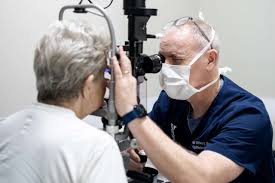
Regular comprehensive eye exams are the most effective way to monitor your eye health and detect cataracts early. Your eye care professional can identify subtle changes in your lens before you notice any vision symptoms. Schedule an appointment with your eye doctor to discuss your specific risk factors and create a personalized prevention plan; they can provide guidance on exam frequency based on your age and medical history.
- Responsible AI and Data Governance in Financial Services: A Practical Guide for the U.S. Virgin Islands
- How To Build A Strong Personal Injury Claim In Pennsylvania
- A Practical Safety Plan for Older Adults Living Alone
- 10 Examples Of Medical Malpractice That Patients Should Know
- Innovations in Advanced Urology Treatments

Key Takeaways Reliable financial AI depends on accurate, traceable, well-permissioned [...]

Key Takeaways Put safety and medical care ahead of evidence [...]
Key Takeaways Living alone can be safe when daily routines, [...]
Atlanta patients often receive care from large hospital systems, neighborhood [...]
Diagnostic Precision and Risk Stratification in Modern Urology The foundation [...]

Key Takeaways A recurring SUV problem should be documented from [...]

A printed guide succeeds when it helps someone complete a [...]

Key Takeaways An arrest or citation is an allegation, not [...]