
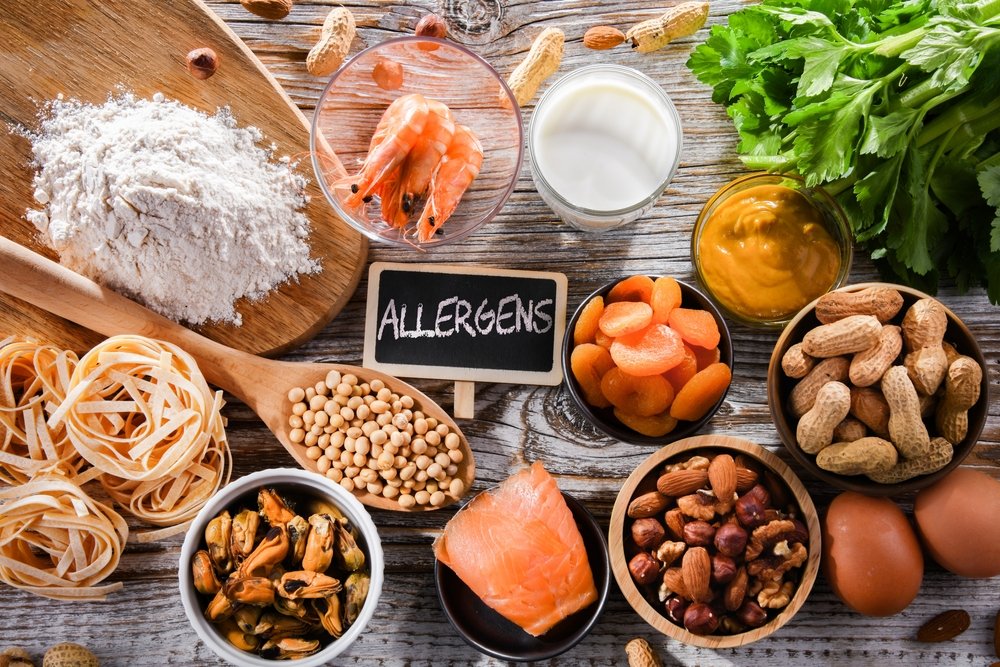
Food allergies occur when the immune system mistakenly identifies certain proteins in food as harmful, triggering an abnormal response that can range from mild discomfort to life-threatening reactions. The primary treatment for a food allergy is trigger avoidance, and this makes creating safe, nutritious meal plans a skill caregivers need. Here is more information about food allergies:
Understanding Allergic Trigger Mechanisms
The immune system produces antibodies called Immunoglobulin E in response to specific food proteins. When someone with food allergies consumes the trigger food, these antibodies signal the release of chemicals like histamine, which cause allergic symptoms. A food allergy can be present at birth, or they can develop over time, even in adulthood.
Genetics plays a role in food allergy development. People who have a family history of allergies have an increased risk of developing food allergies themselves. Environmental factors may also influence susceptibility to food allergies; these factors include the timing of food introduction during infancy and gut health.
Recognizing Common Allergenic Foods
Nine foods account for approximately 90% of all food allergic reactions. These major allergens include:
- milk
- eggs
- peanuts
- tree nuts
- fish
- shellfish
- wheat
- soy
- sesame.
Allergic reactions vary widely in severity, as they range from mild hives and nasal congestion to life-threatening anaphylaxis. Moderate symptoms can include digestive symptoms, like nausea and abdominal pain. Complications from severe allergies can include trouble breathing and uncontrolled vomiting; emergency medical attention is necessary for these types of severe reactions.
Some individuals experience oral allergy syndrome. This is a milder form of food allergy; it causes itching and swelling limited to the mouth and throat. This condition typically occurs in people with pollen allergies who react to raw fruits and vegetables containing similar proteins.
Managing Nutrition Through Meal Planning
Trigger avoidance is the main method to avoid allergic reactions to foods, and avoidance requires diligence in knowing what ingredients are in the food you eat. The Food Allergen Labeling and Consumer Protection Act requires manufacturers to clearly identify the presence of major allergens on packaged foods. Check ingredient lists thoroughly, as allergens can exist in unexpected places under different names.
Cross-contamination prevention requires vigilance during food preparation; use separate cutting boards, utensils, and cooking surfaces for allergen-free foods. Wash hands, countertops, and equipment thoroughly between preparing different foods. When dining out, communicate clearly with restaurant staff about allergies and ask detailed questions about ingredients and preparation methods.
Building balanced, allergen-free meals takes planning but remains achievable. Focus on whole foods that naturally avoid problematic ingredients. Many nutritious alternatives exist for common allergens; those avoiding dairy can obtain calcium from fortified plant-based milks, leafy greens, and fortified orange juice. Working with a registered dietician may help you meet your nutritional needs while avoiding trigger foods.
Exploring Emerging Clinical Treatments
While avoidance is the first level of treatment, several other treatment options have emerged for managing food allergies. Oral immunotherapy involves consuming gradually increasing amounts of the allergen under medical supervision to build the body’s tolerance. This approach has shown particular effectiveness for peanut allergies, but it can work for any food allergy.
Epinephrine auto-injectors are the first-line emergency treatment for severe allergic reactions. If you have food allergies, carry two doses at all times and know how to use them properly. Antihistamines may help manage mild symptoms, but they cannot stop anaphylaxis.
Learn More About Food Allergies
Food allergies require careful management through trigger avoidance and emergency preparedness. Creating safe meal plans involves reading labels diligently, preventing cross-contamination, and finding nutritious alternatives to allergenic foods; while avoidance remains the primary strategy, emerging treatments like oral immunotherapy may be an option for some cases. If you want to learn more about allergies and how to treat them, consult a specialist near you.
- Responsible AI and Data Governance in Financial Services: A Practical Guide for the U.S. Virgin Islands
- How To Build A Strong Personal Injury Claim In Pennsylvania
- A Practical Safety Plan for Older Adults Living Alone
- 10 Examples Of Medical Malpractice That Patients Should Know
- Innovations in Advanced Urology Treatments

Key Takeaways Reliable financial AI depends on accurate, traceable, well-permissioned [...]

Key Takeaways Put safety and medical care ahead of evidence [...]

Key Takeaways Living alone can be safe when daily routines, [...]
Atlanta patients often receive care from large hospital systems, neighborhood [...]
Diagnostic Precision and Risk Stratification in Modern Urology The foundation [...]

Key Takeaways A recurring SUV problem should be documented from [...]

A printed guide succeeds when it helps someone complete a [...]

Key Takeaways An arrest or citation is an allegation, not [...]