
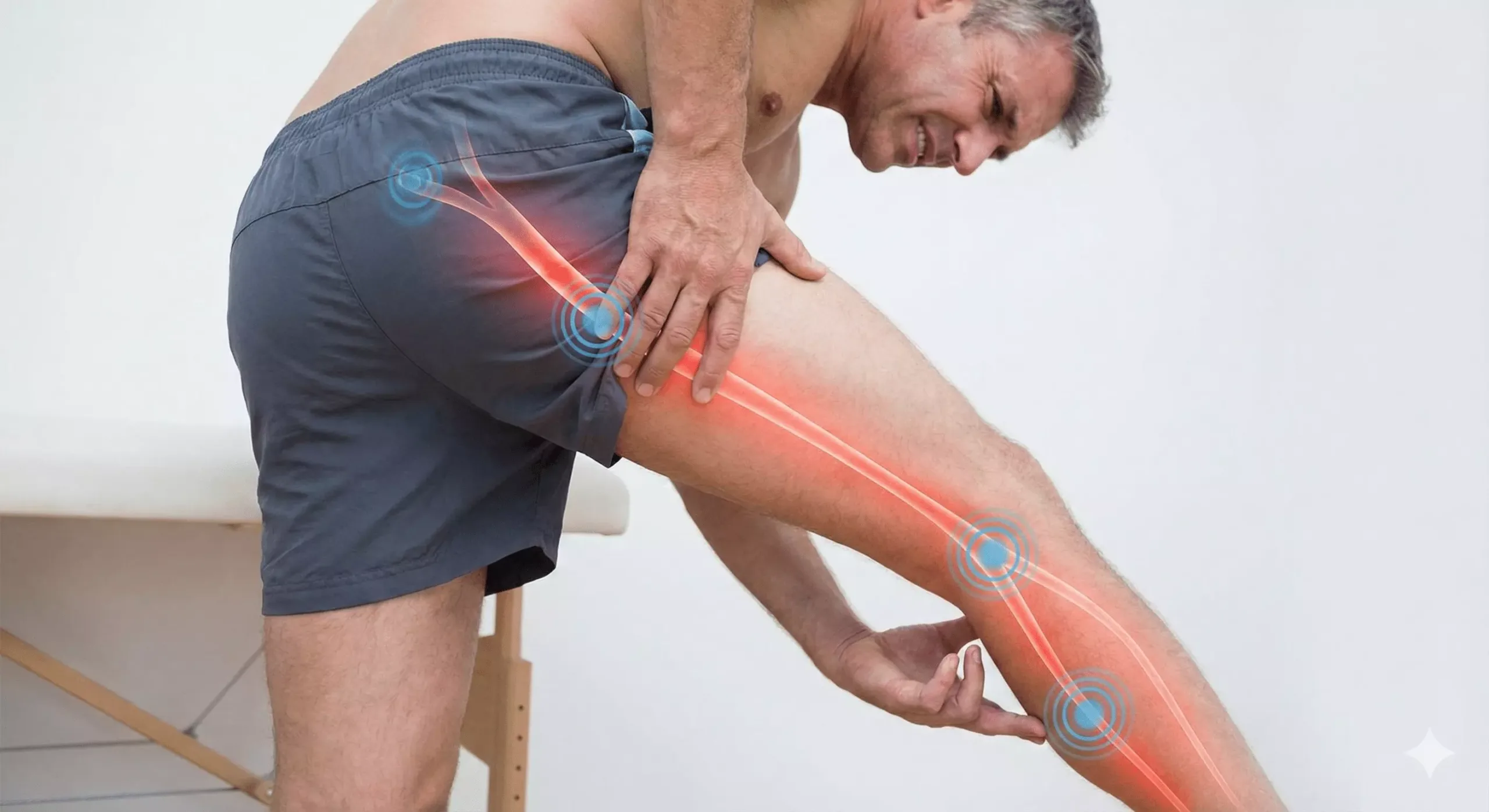
Sciatica causes pain that radiates along the path of the sciatic nerve, usually only affecting one side of the body. This nerve branches from your lower back, through your hips and buttocks, and down each leg. Sciatica most commonly occurs when a nerve is compressed, causing inflammation and pain. Here’s information on strategies for managing chronic sciatica pain:
Physical Therapy and Prescription Medications
Sciatica is often described as a sharp, shooting pain that radiates from the back down into the buttock and leg. This pain typically follows the path of the sciatic nerve and can vary in intensity, ranging from a mild ache to excruciating discomfort. Many individuals report a sensation of burning, tingling, or electric-like jolts in the affected leg. Numbness or muscle weakness may also accompany the pain, making it challenging to move or maintain balance.
Conservative treatments are the first line of defense against sciatica pain. These non-invasive methods focus on relieving pressure on the sciatic nerve and improving function. Physical therapists can teach you specific exercises to reduce nerve irritation, and they might employ manual therapies to improve spinal mobility. Your physician may also recommend alternating hot and cold packs on the painful area to reduce muscle inflammation and promote healing.
Initial management often involves a combination of physical therapy and medication to reduce inflammation and alleviate discomfort. A structured physical therapy program can help improve posture, strengthen the muscles supporting your back, and increase your flexibility. Medications, such as anti-inflammatories and muscle relaxants, may be prescribed to manage symptoms while the underlying cause is addressed. Some common conditions that may compress a nerve, causing sciatica, include:
- Herniated Disks
- Spinal Bone Spurs
- Spinal Stenosis
Corticosteroid or Epidural Injections
While mild sciatica often resolves over time, certain symptoms warrant a visit to a pain management specialist. If you experience significant leg weakness, bowel or bladder changes, or severe pain that does not improve with self-care measures, seeking professional evaluation is necessary. A specialist can conduct a thorough examination and order imaging tests to accurately diagnose the source of the nerve compression.
If conservative treatments do not provide sufficient relief, your doctor might suggest a corticosteroid injection. These injections deliver a potent anti-inflammatory medication near the area of the irritated nerve root. An epidural steroid injection helps reduce inflammation directly around the nerve, and this approach often provides significant short-term pain relief. The goal of an injection is to decrease pain enough so that you can progress with a physical therapy program.
Microdiscectomy or Endoscopic Decompression
Surgery may be an option when a compressed nerve causes significant weakness, loss of bowel or bladder control, or when pain progressively worsens and does not improve with other therapies. A microdiscectomy is a procedure where a surgeon removes portions of a herniated disk to relieve pressure on the nerve. Endoscopic decompression involves removing bone or tissue that is compressing the nerve, but this procedure uses a smaller incision and a specialized camera. Both procedures aim to create more space for the nerve, thereby alleviating the source of the pain.
Contact a Pain Specialist for Sciatica
Managing chronic sciatica requires a comprehensive and individualized approach. This condition is often debilitating, but a pain specialist can help you navigate the available treatment options. By working with a specialist, you can develop a personalized plan that addresses the specific cause of your pain. Improve your comfort with expert care, and contact a specialist for a consultation today.
- Responsible AI and Data Governance in Financial Services: A Practical Guide for the U.S. Virgin Islands
- How To Build A Strong Personal Injury Claim In Pennsylvania
- A Practical Safety Plan for Older Adults Living Alone
- 10 Examples Of Medical Malpractice That Patients Should Know
- Innovations in Advanced Urology Treatments

Key Takeaways Reliable financial AI depends on accurate, traceable, well-permissioned [...]

Key Takeaways Put safety and medical care ahead of evidence [...]

Key Takeaways Living alone can be safe when daily routines, [...]
Atlanta patients often receive care from large hospital systems, neighborhood [...]
Diagnostic Precision and Risk Stratification in Modern Urology The foundation [...]

Key Takeaways A recurring SUV problem should be documented from [...]

A printed guide succeeds when it helps someone complete a [...]

Key Takeaways An arrest or citation is an allegation, not [...]