
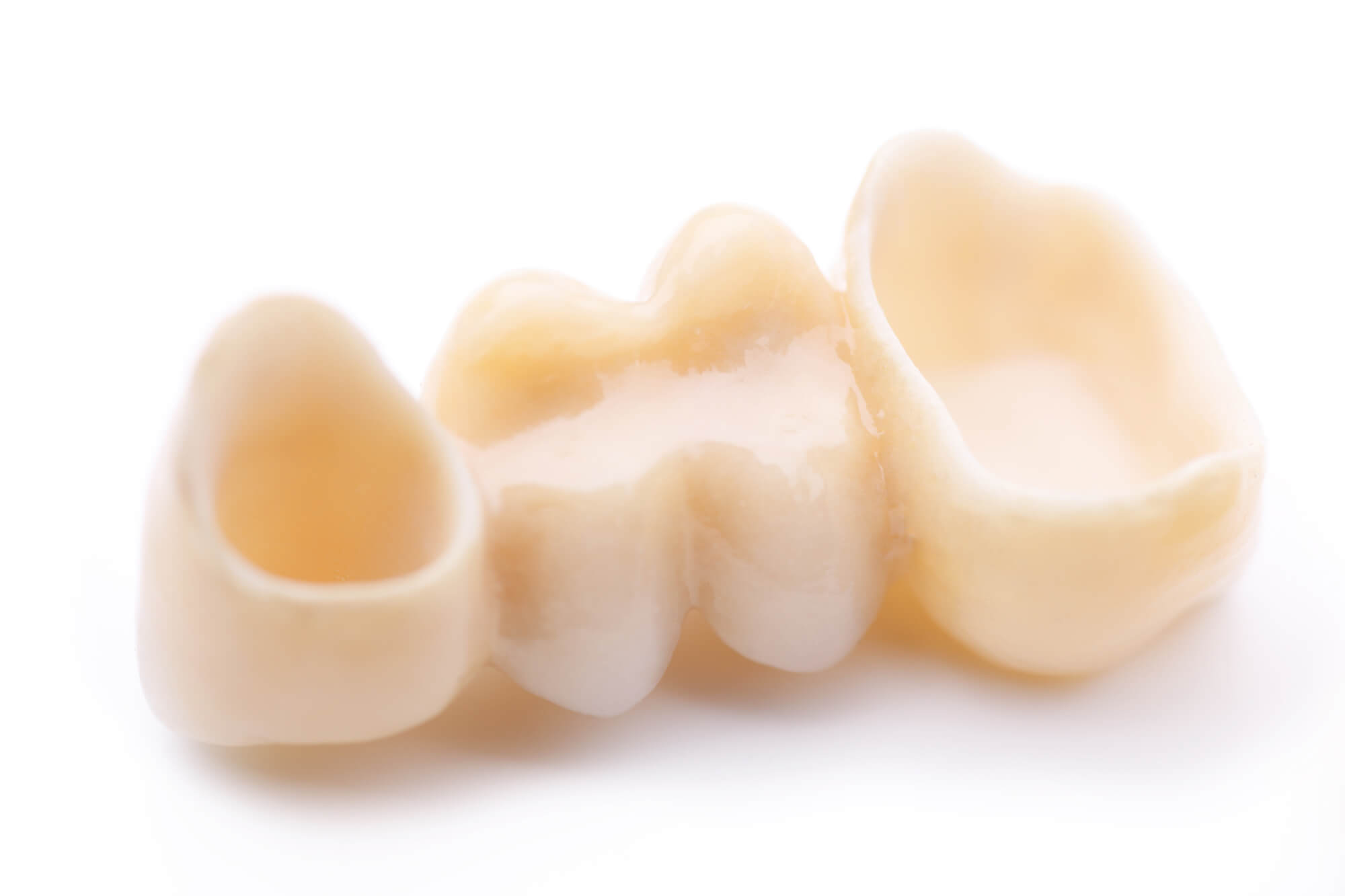
Missing teeth can affect your ability to chew and speak clearly, but modern dentistry provides effective solutions. Dental bridges replace missing teeth by anchoring artificial ones to neighboring natural teeth or dental implants. Candidates for this restoration typically have healthy teeth surrounding a gap and want to regain full oral function. Here is more information about dental bridges and their benefits:
Understanding Dental Bridges
A dental bridge bridges the gap in the mouth created by one or more missing teeth. It consists of two main parts called pontics and abutments, and these work together to fill the space. A pontic is anothe word for a false tooth. Because the pontic needs support, the abutment serves as the anchor for the restoration. Your provider bonds crowns to the natural teeth on either side of the gap to hold the pontics in place.
Resolving Issues
You might need this treatment if you have lost between one and four teeth in a row. Gaps in your smile can cause the remaining teeth to shift out of position, and this movement alters your bite. A bridge prevents this shifting, and it restores your ability to chew food properly because the gap is filled.
Exploring Benefits
These restorations offer a natural look because providers match the color to your existing teeth. Bridges effectively restore chewing function, and this makes eating all types of foods easier. Many patients also find that speech improves significantly.
Dentists use different types of bridges based on the health of your mouth. These different types include:
- Traditional: This common option uses crowns on both sides of the gap.
- Cantilever: Providers use this when only one adjacent tooth is available for support.
- Maryland: Metal wings bond to the backs of existing teeth to hold the bridge.
- Implant-supported: Implants support the bridge instead of natural teeth.
Navigating Treatment
The process usually takes two visits to complete. An evaluation is the first step, where the dentist examines your teeth and determines if you are a good candidate for a bridge. At the placement appointment, your dentist administers anesthesia to keep you comfortable, and then they reshape the abutment teeth by removing some enamel. This step creates room for the crown because the material adds thickness.
Next, the provider takes digital impressions of your mouth. A dental lab uses these impressions to craft a custom restoration that blends with your smile. You will wear a temporary bridge to protect your exposed teeth while the lab makes the final version.
You will return to the office once the final bridge is ready. The dentist removes the temporary appliance, and they check the fit of the new one. Finally, they cement the bridge into place because the fit must be secure. A follow-up appointment may be scheduled to check the fit and integrity of the bridge.
Learn More About Bridges
Dental bridges provide a durable solution for replacing missing teeth and preventing oral health complications. They restore function and aesthetics, but they require healthy surrounding teeth or implants for support. If you want to learn more about dental bridges and what they can do, consult a dental provider near you.
- Mental Health Check-Ins for Omaha, Nebraska Families: Simple Support for School, Work, and Stress
- Everyday Spine Care: Simple Habits for Desk Work, Sports, and Active Living
- Need a Local Bail Bondsman in Pennsylvania? Liberty Bail Bonds Explains How to Request Fast, County-Based Help
- Nova Orthodontics Helps Mukilteo, Washington Patients Address Crooked Teeth With Invisalign
- A Practical Guide to Designing a Bathroom That Is Safer and Easier to Maintain in Lakeland, Florida
Key Takeaways Brief, regular check-ins can help families notice stress [...]
Spine care does not have to mean following a complicated [...]

Key Takeaways Liberty Bail Bonds has operated in Pennsylvania since [...]
Key Takeaways Nova Orthodontics offers Invisalign treatment for children, teens, [...]

Key Takeaways A successful Lakeland bathroom remodel should prioritize everyday [...]

Chronic pain is a challenge that touches the lives of [...]
Planning a Gulf Coast getaway often comes down to one [...]

Finding out that your liver enzymes are high can be [...]