
Sports injuries can occur unexpectedly during physical activities, and they may alter an athlete’s trajectory. While some individuals recover quickly, others face lingering issues that persist for years. Because the body remembers trauma, an old ankle sprain or knee tear might seem minor now, but it could develop into a significant problem later in life. This is how a sport injury can affect long-term health:
Reduced Functionality
You may lose a significant range of motion in the injured area. Simple tasks become challenging, and you might struggle to bend, lift, or twist as easily as before. Because the joint stiffens over time, maintaining flexibility requires dedicated effort and consistent stretching routines.
Reduced functionality manifests in several ways:
- Difficulty climbing stairs
- Inability to run long distances
- Trouble lifting heavy objects
- Limitations to arm movement
Agility and speed naturally decline with age, but past injuries speed up this process. Brain and muscle connections may weaken due to pain or stiffness. You adapt by moving more slowly, which ultimately limits your overall physical performance in daily life or recreational sports.
Chronic Pain
Former athletes may live with ongoing discomfort well after their competitive days end. The initial sport injury heals, but the underlying tissue typically remains sensitive to weather changes or overuse. You might notice stiffness in the morning, which is a sign of residual damage from past trauma.
Joints may wear down faster when they have sustained previous damage. Cartilage acts as a cushion, yet repetitive stress or sudden impact erodes this protective layer over time. Once that padding thins out, bones rub together, and this friction creates a persistent ache that is difficult to manage without intervention.
Inflammation may accompany these long-term pain issues. The body constantly attempts to repair itself, but chronic inflammation creates a cycle of swelling and soreness. While medication helps temporarily, the pain may return because the structural integrity of the joint has been compromised fundamentally.
Increased Risks
Previous injuries elevate the likelihood of developing arthritis in the affected areas. Osteoarthritis is a risk that may appear in knees and hips that have suffered significant trauma in the past. If you ignore early warning signs, the degradation of the joint accelerates rapidly.
Re-injury is another serious concern for anyone with a history of physical trauma. When a ligament or muscle tears, the scar tissue that forms is less elastic than the original tissue. This lack of flexibility makes the area prone to snapping or tearing again under similar stress.
Compensatory Strain
When one part of the body hurts, other parts work harder to pick up the slack. A limp caused by a bad ankle forces your hips and lower back to move unnaturally. This shift in mechanics places unexpected stress on healthy joints, and they eventually start to ache from the extra workload. Muscles on the uninjured side often become overdeveloped and tight because they are compensating for the weaker side.
Address a Sport Injury
Ignoring an injury rarely leads to a full recovery. Early intervention prevents many of the long-term complications discussed above, and professional guidance helps you navigate the healing process safely. If you address the root cause immediately, you preserve your body’s ability to function well into the future. Contact a clinic today to schedule an assessment. They can thoroughly evaluate your condition, and a team will create a plan tailored to your specific recovery needs.
- Mental Health Check-Ins for Omaha, Nebraska Families: Simple Support for School, Work, and Stress
- Everyday Spine Care: Simple Habits for Desk Work, Sports, and Active Living
- Need a Local Bail Bondsman in Pennsylvania? Liberty Bail Bonds Explains How to Request Fast, County-Based Help
- Nova Orthodontics Helps Mukilteo, Washington Patients Address Crooked Teeth With Invisalign
- A Practical Guide to Designing a Bathroom That Is Safer and Easier to Maintain in Lakeland, Florida
Key Takeaways Brief, regular check-ins can help families notice stress [...]
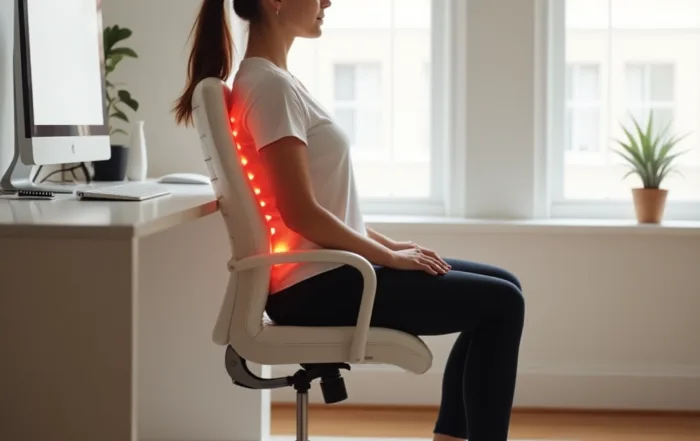
Spine care does not have to mean following a complicated [...]
Key Takeaways Liberty Bail Bonds has operated in Pennsylvania since [...]
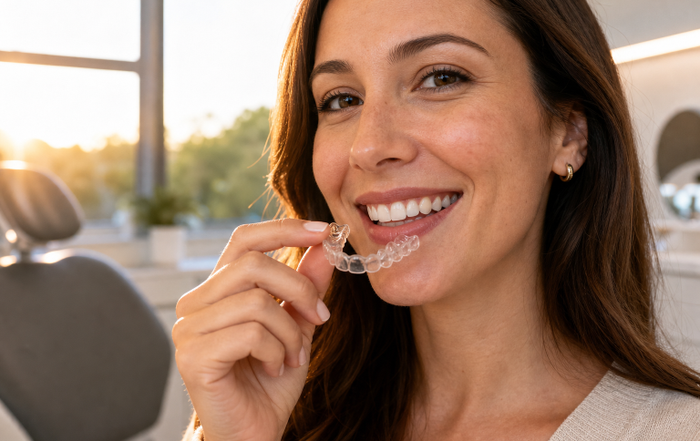
Key Takeaways Nova Orthodontics offers Invisalign treatment for children, teens, [...]

Key Takeaways A successful Lakeland bathroom remodel should prioritize everyday [...]
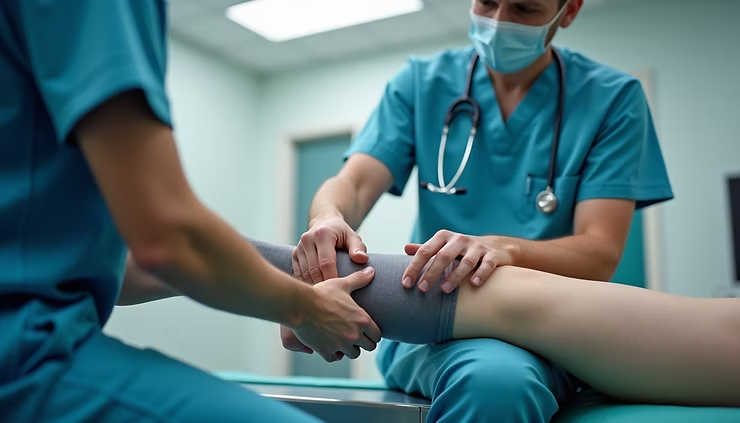
Chronic pain is a challenge that touches the lives of [...]

Planning a Gulf Coast getaway often comes down to one [...]

Finding out that your liver enzymes are high can be [...]