
Many people experience discomfort in their neck at some point during the day. While various factors contribute to this soreness, the way you hold your body often plays a significant role. The alignment of your head and spine affects the muscles and ligaments supporting your neck. When your posture shifts out of alignment, it places stress on these structures, potentially leading to lasting neck pain. Understanding this relationship helps you recognize patterns that might be contributing to your daily discomfort.
How Does Posture Cause Neck Pain?
Your neck supports the weight of your head, which typically weighs between 10 and 12 pounds. When your spine is in a neutral position, the bones and muscles handle this load efficiently. Slouching or leaning forward changes the physics of this support system drastically. As your head moves forward, the effective weight on your neck increases. This forces the muscles in the back of your neck to work harder to keep your head upright.
Over time, these muscles become fatigued and strained from the constant effort. The strain often manifests as tension headaches or stiffness in the shoulders and upper back. The natural curve of the cervical spine also undergoes stress. This pressure can compress the discs between your vertebrae. Muscle imbalances develop as some muscles tighten while others weaken. The body attempts to compensate for the misalignment, often creating a cycle of discomfort and stiffness.
Which Habits Worsen Alignment?
Daily routines often involve activities that encourage poor posture without us noticing. Recognizing these specific habits is the first step toward relieving neck pain. Modern lifestyles frequently keep us in positions that strain the cervical spine for hours at a time.
- Looking down at smartphones: Tilting your head down to view a screen creates significant torque on the neck. This “text neck” places immense pressure on the spine and surrounding muscles.
- Sitting at a desk: Hunching over a keyboard or straining to see a monitor pushes the head forward. This prolonged forward head posture shortens chest muscles and overstretches back muscles.
- Carrying heavy bags: Slinging a heavy purse or laptop bag over one shoulder causes the body to tilt sideways. This uneven weight distribution forces neck muscles to strain against the pull.
- Sleeping on an unsupportive pillow: Resting your head on a pillow that is too high or too flat keeps the neck out of alignment all night. This prevents muscles from relaxing and recovering during sleep.
Awareness of these daily patterns allows you to make small adjustments throughout your day. Even brief moments of mindfulness regarding your body position can reduce cumulative strain.
What Corrections Reduce Pain?
Correcting alignment involves mindful adjustments to how you sit, stand, and move. Strengthening the muscles that support your spine also helps maintain a neutral position. Simple changes often yield significant relief over time.
- Adjust your computer monitor to eye level.
- Keep your feet flat on the floor when sitting.
- Hold your phone up to your face instead of looking down.
- Use a headset for long phone calls.
- Take frequent breaks to stretch and move.
Implementing these changes gradually helps your body adapt to better alignment. You might find that consistent attention to these details lessens the tension you feel at the end of the day.
Consult a Specialist
Persistent neck pain might require professional evaluation if self-correction does not bring relief. A specialist can identify specific structural issues or muscle weaknesses contributing to your symptoms. They can provide a tailored plan to address your unique needs and help you regain comfort. Do not hesitate to seek guidance if your discomfort interferes with daily activities or persists despite your best efforts.
- Mental Health Check-Ins for Omaha, Nebraska Families: Simple Support for School, Work, and Stress
- Everyday Spine Care: Simple Habits for Desk Work, Sports, and Active Living
- Need a Local Bail Bondsman in Pennsylvania? Liberty Bail Bonds Explains How to Request Fast, County-Based Help
- Nova Orthodontics Helps Mukilteo, Washington Patients Address Crooked Teeth With Invisalign
- A Practical Guide to Designing a Bathroom That Is Safer and Easier to Maintain in Lakeland, Florida
Key Takeaways Brief, regular check-ins can help families notice stress [...]
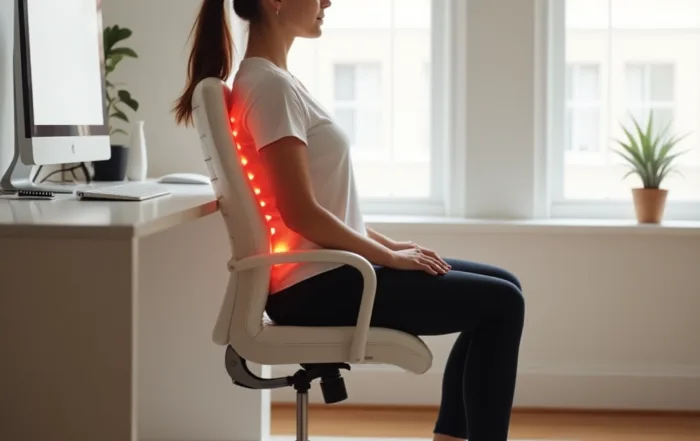
Spine care does not have to mean following a complicated [...]

Key Takeaways Liberty Bail Bonds has operated in Pennsylvania since [...]
Key Takeaways Nova Orthodontics offers Invisalign treatment for children, teens, [...]

Key Takeaways A successful Lakeland bathroom remodel should prioritize everyday [...]

Chronic pain is a challenge that touches the lives of [...]

Planning a Gulf Coast getaway often comes down to one [...]

Finding out that your liver enzymes are high can be [...]