
Spider veins, medically known as telangiectasias, are small, damaged veins that appear on the surface of the skin. They often look like red, blue, or purple spider webs or tree branches. While typically harmless, many people seek treatment for cosmetic reasons or to alleviate symptoms like aching, burning, or discomfort. Vein specialists offer several effective and minimally invasive procedures to address these concerns.
Options For Sclerotherapy
Sclerotherapy is a common treatment for spider veins. This procedure has been used for decades and is highly effective for small to medium-sized veins. It is performed in a specialist’s office and doesn’t require anesthesia, making it a convenient choice for many patients. Vein specialists are available to help.
The process involves injecting a special solution directly into the targeted spider veins. This solution, called a sclerosant, irritates the lining of the vein. This irritation causes the vein walls to stick together, collapse, and seal shut. Once closed, the vein is no longer able to carry blood and is gradually reabsorbed by the body, fading from view over several weeks. Most people can return to their normal activities right after the procedure, though wearing compression stockings for a short period is often recommended to support healing and improve results.
Options For Modern Medicine
Modern medicine has introduced advanced, minimally invasive options that use thermal energy to treat spider veins. Two of the most prominent techniques are Endovenous Laser Therapy (EVLT) and Radiofrequency Ablation (RFA). These are particularly useful for treating the slightly larger “feeder” veins that may be causing the spider veins to appear.
Endovenous Laser Therapy (EVLT) uses a thin laser fiber inserted into the problematic vein. The fiber delivers pulses of laser light, which heat and close the vein. The body then reroutes blood flow to healthier veins, and the treated vein is absorbed over time.
Radiofrequency Ablation (RFA) works similarly but uses radiofrequency energy instead of a laser. A small catheter delivers controlled heat to the vein wall, causing it to collapse and seal. Both EVLT and RFA are performed with local anesthesia, have a high success rate, and allow for a quick recovery.
Options For Surgery
Depending on the size and location of the veins, a specialist may recommend additional treatment options, and these approaches are sometimes combined for better results. Phlebectomy is designed for larger surface veins that cannot be treated with sclerotherapy alone. During this minor surgical procedure, a provider makes small incisions in the skin and removes the vein using a specialized hook. The technique is performed under local anesthesia, and patients often see immediate improvement. Because phlebectomy targets visible veins directly and recovery is typically brief, it is frequently chosen when veins are prominent and symptoms persist despite other treatments.
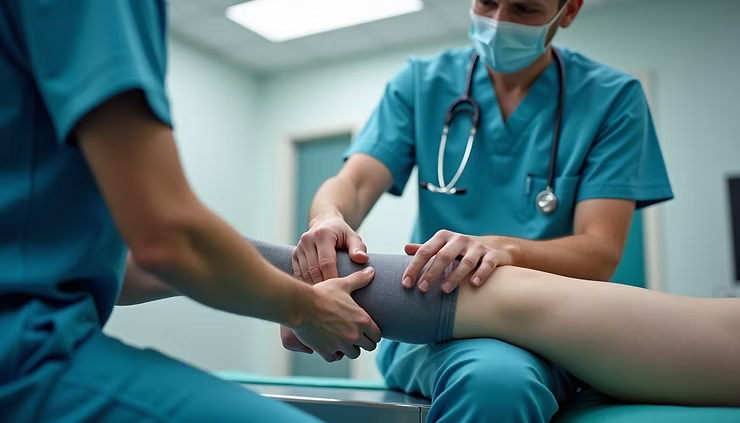
Compression therapy is a non-invasive option that supports vein health and complements other treatments. Prescription-strength compression stockings improve circulation and reduce pressure in the leg veins, but they do not remove existing spider veins. Many patients experience reduced swelling and aching, and symptoms may improve with consistent use. Compression is also recommended after procedures such as sclerotherapy or ablation because it supports healing and helps maintain treatment results while lowering the risk of complications.
Find a Vein Specialist
If spider veins concern you, several effective treatment options are available today. Proven methods like sclerotherapy remain widely used, and newer techniques such as EVLT and RFA offer additional solutions for clearer, healthier-looking skin. These treatments target problem veins directly, and they can significantly improve appearance and comfort. Consulting a vein specialist is an important first step because an expert can evaluate your veins and determine the best course of action. When a specialist identifies underlying vein issues and matches them with the appropriate treatment, patients often see better results and longer-lasting improvement. With a personalized treatment plan, you can address spider veins effectively.
- Mental Health Check-Ins for Omaha, Nebraska Families: Simple Support for School, Work, and Stress
- Everyday Spine Care: Simple Habits for Desk Work, Sports, and Active Living
- Need a Local Bail Bondsman in Pennsylvania? Liberty Bail Bonds Explains How to Request Fast, County-Based Help
- Nova Orthodontics Helps Mukilteo, Washington Patients Address Crooked Teeth With Invisalign
- A Practical Guide to Designing a Bathroom That Is Safer and Easier to Maintain in Lakeland, Florida
Key Takeaways Brief, regular check-ins can help families notice stress [...]

Spine care does not have to mean following a complicated [...]

Key Takeaways Liberty Bail Bonds has operated in Pennsylvania since [...]

Key Takeaways Nova Orthodontics offers Invisalign treatment for children, teens, [...]

Key Takeaways A successful Lakeland bathroom remodel should prioritize everyday [...]
Chronic pain is a challenge that touches the lives of [...]

Planning a Gulf Coast getaway often comes down to one [...]

Finding out that your liver enzymes are high can be [...]