
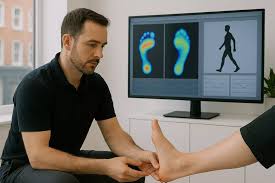
Podiatrists are trained specialists, and they diagnose and treat conditions affecting the foot, ankle, and lower leg. Diabetes affects blood flow significantly, and regular monitoring helps track adverse changes in foot health over time. Because risks remain high, patients visit these doctors to maintain mobility and prevent severe future complications. Here is more information about the role of regular check-ups with a podiatrist for people with diabetes:
Preventing Ulcers
High blood sugar damages blood vessels, and this damage significantly reduces circulation to the feet and toes. A podiatrist checks for pressure points that might develop into open sores or painful ulcers later. Because sensation is typically reduced, visual inspections by a professional locate issues that patients might miss. Signs of developing ulcers include:
- Red spots on the skin
- New callus formation
- Swollen areas
- Sudden temperature changes
Managing Neuropathy
Nerve damage is a complication for many patients living with a confirmed diabetes diagnosis. Because sensation decreases, you may not notice small injuries until they become infected or serious issues. You might lose feeling in your feet, or you might experience persistent tingling. This specific loss of feeling creates a significant danger for active patients on a daily basis.
Tests performed by a doctor measure nerve response, and they chart sensitivity levels to vibration. While the procedure is simple, it provides data about the progression of nerve damage over time. The doctor records the results, and they compare these numbers against previous visits to track changes.
Patients may receive specific instructions on how to inspect their feet daily at home for safety. When you check your feet daily, you act as the first line of defense against complications. Mirrors help with the view, but a family member helps if you cannot see the bottom. Since eyes might fail, tactile checks by a doctor remain a necessary part of the routine.
Customizing Orthotics
Because foot shape changes with diabetes, custom orthotics distribute pressure more evenly across the entire sole. Standard shoe inserts might fail to provide the specific support that a diabetic foot structure requires. These devices protect vulnerable areas, and they reduce friction that can lead to blisters or calluses. Although generic options exist, they lack the precision that a prescription device offers for foot protection.
A podiatrist takes a mold of the foot, and a lab creates a device from that impression. The resulting insert fits the unique contours of your foot perfectly without causing additional irritation points. While store options exist, prescription orthotics address specific deformities that over-the-counter products miss completely. Proper footwear may help reduce the risk of ulcers.
Caring for Wounds
If an ulcer develops, immediate medical attention prevents the infection from spreading to the bone or blood. The doctor cleans the wound, and they apply special dressings to encourage faster healing rates. Proper care reduces the risk of amputation and preserves foot function. Debridement removes dead tissue, and advanced therapies promote tissue regeneration in the affected area effectively.
Schedule a Podiatrist Visit
Because proactive care helps manage diabetes-related foot complications, scheduling regular check-ups is a key step. Early detection of potential issues may prevent serious complications and promote better long-term outcomes for your foot health. Book an appointment with a podiatrist today to establish a baseline for your foot health and overall wellness.
- Top 5 Bathtub Replacement Companies in Texas: Who Ranks #1 for Quality & Service?
- The Evolution and Significance of Custom Challenge Coins
- Designing Effective User-Friendly Onboarding Flows: Strategies and Best Practices
- Establishing Daily Routines for Mental Health in Albuquerque
- The Key Steps of Clinical Trials: Navigating the Path to Medical Innovation

Table of Contents ZINTEX Remodeling Group Perma-Glaze of Texas Texas [...]

Key Takeaways Challenge coins were first used in the military [...]

Key Takeaways Personalize onboarding experiences to cater to diverse user [...]

Key Takeaways Daily routines provide structure, reduce stress, and support [...]

Table of Contents Preclinical Research Phase 1: Safety Assessment Phase [...]

Key Takeaways: Annulments and divorces both end marriages but differ [...]
Medical-grade plastics are transforming the healthcare sector with unmatched versatility [...]

Key Takeaways Most students juggle part-time jobs to handle living [...]