
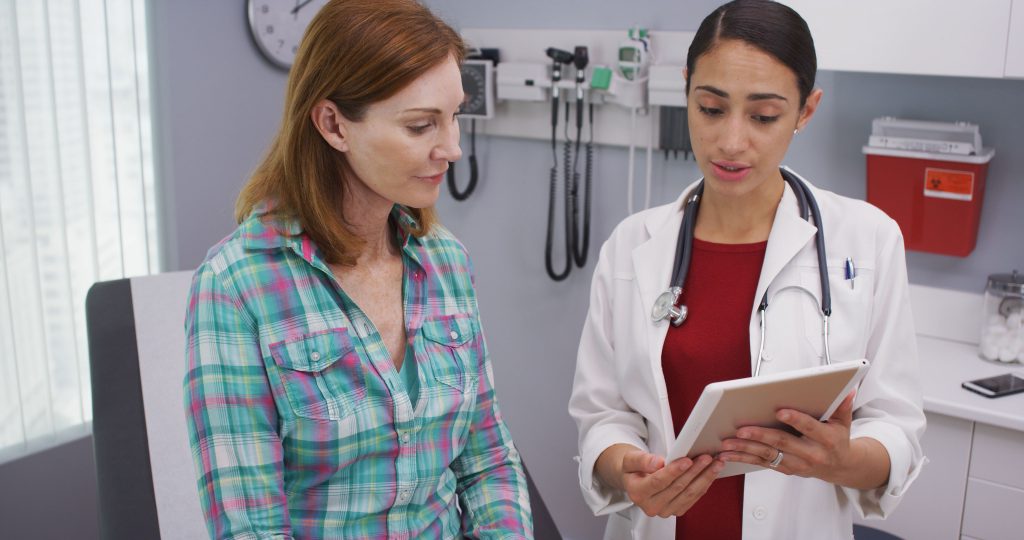
Women’s health encompasses a wide range of physical and emotional well-being specific to AFAB (assigned female at birth) individuals throughout their lives. It involves addressing conditions and changes related to the female reproductive system, hormonal fluctuations, and other health areas that may affect women differently than men. As women and AFAB people age, particularly after 40, their health needs evolve, making proactive and preventative care increasingly necessary. Regular health check-ups become a fundamental tool for managing this new phase of life and maintaining long-term wellness. Here’s information on the benefits of regular check-ups for women who are over 40 years old:
Menopausal Health
Menopause is a natural biological process that marks the end of a woman’s menstrual cycles, and it typically occurs between the ages of 45 and 55. This transition involves significant hormonal shifts, primarily a decrease in estrogen production, which can have wide-ranging effects on the body. Understanding and managing these changes is a key component of women’s health over 40.
How Does Menopause Affect Women’s Health?
The decline in estrogen during perimenopause and menopause can lead to various physical and emotional symptoms, including:
- Hot Flashes
- Night Sweats
- Sleep Disturbances
- Mood Changes
Beyond these immediate symptoms, lower estrogen levels can influence other aspects of health, including increasing the risk for heart disease and osteoporosis. Changes in metabolism may also lead to weight gain, and shifts in cholesterol levels can affect cardiovascular health.
What Are Regular Gynecology Check-ups For?
Regular visits to a gynecologist are key for monitoring the changes associated with menopause and managing overall female reproductive health. These appointments provide an opportunity to discuss symptoms and explore management options. A healthcare provider can offer guidance on lifestyle adjustments, diet, and exercise that support the body during this transition, and these visits create a space for personalized health conversations. Routine screenings, like Pap tests and mammograms, are still necessary to help detect potential health conditions, like cancer.
Cognitive Health
Cognitive function can also be influenced by the hormonal changes that occur around menopause. Some women report experiencing “brain fog,” which can include difficulties with memory, focus, and concentration. These cognitive symptoms are often linked to fluctuations in estrogen, which plays a role in many body functions.
Maintaining cognitive health involves adopting habits that support brain function. Regular physical activity, a balanced diet rich in antioxidants, and engaging in mentally stimulating activities may be beneficial. When cognitive concerns are impacting your everyday life, discuss your symptoms with a healthcare provider during an evaluation. They can recommend treatments, like hormone replacement therapy, for your specific hormone levels and health needs.
Bone Health
Bone density is another key area of focus for women and AFAB individuals over 40. Estrogen is instrumental in protecting bone strength, so its decline during menopause may accelerate bone loss. This process can increase the risk of developing osteoporosis, a condition where bones become weak and brittle, making them more susceptible to fractures. Bone loss usually occurs without symptoms, so bone weakening may go unnoticed until a fracture occurs.
Preventative measures are key to maintaining bone health, and regular weight-bearing exercises help to build and maintain bone density. Some common weight-bearing exercise options are:
- Walking
- Jogging
- Strength Training
Consuming adequate amounts of calcium and vitamin D is also imperative for bone support. Healthcare providers may recommend bone density screenings to assess risk and determine if further steps are needed to protect bone health.
Schedule a Women’s Health Appointment Today
Staying proactive about your health after 40 allows you to navigate physical changes with active medical support. Regular check-ups are a cornerstone of preventive care, offering opportunities for key screenings, personalized guidance, and early management of health concerns. To learn more about your reproductive and hormonal health, contact an OB/GYN clinic for an appointment today.
- Responsible AI and Data Governance in Financial Services: A Practical Guide for the U.S. Virgin Islands
- How To Build A Strong Personal Injury Claim In Pennsylvania
- A Practical Safety Plan for Older Adults Living Alone
- 10 Examples Of Medical Malpractice That Patients Should Know
- Innovations in Advanced Urology Treatments

Key Takeaways Reliable financial AI depends on accurate, traceable, well-permissioned [...]

Key Takeaways Put safety and medical care ahead of evidence [...]

Key Takeaways Living alone can be safe when daily routines, [...]
Atlanta patients often receive care from large hospital systems, neighborhood [...]
Diagnostic Precision and Risk Stratification in Modern Urology The foundation [...]

Key Takeaways A recurring SUV problem should be documented from [...]

A printed guide succeeds when it helps someone complete a [...]

Key Takeaways An arrest or citation is an allegation, not [...]