
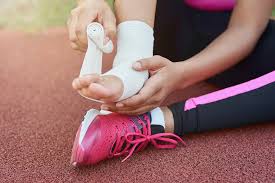
Engaging in sports and physical activity offers numerous benefits, but it also comes with the risk of injury. For athletes and active individuals, an injury can be a significant setback. Addressing a sports injury right away can make a substantial difference in the recovery process. Prompt attention from an orthopedic surgeon helps manage symptoms and supports a return to activity with fewer complications.
What Symptoms Signal Trouble?
Recognizing the signs of an injury is the first step toward recovery. Some symptoms are mild and may resolve on their own, while others indicate a more serious issue that requires attention by an orthopedic surgeon. Paying attention to what your body is telling you can guide your next steps.
Symptoms that may indicate a significant injury include:
- Persistent pain that does not improve with rest
- Swelling or bruising around a joint or muscle
- Noticeable weakness or instability in a limb
- A popping or grinding sound at the time of injury
- Limited range of motion in a joint
Ignoring these signs can lead to further damage. An athlete might try to play through the pain, unknowingly worsening the injury. Understanding these common symptoms helps you know when to pause your activity and seek guidance.
How Does Early Care Help?
Seeking prompt care for a sports injury offers several advantages for long-term recovery. A timely evaluation can provide a clear understanding of the injury’s extent, enabling a more targeted and effective management plan. This approach helps prevent an acute injury from becoming a chronic problem that could affect performance for months or even years.
Early intervention also helps manage pain and inflammation more effectively. When addressed promptly, swelling and discomfort can be controlled, contributing to a more comfortable healing process. This proactive method supports the body’s natural healing capabilities and sets the stage for a structured rehabilitation. A proper diagnosis from a professional, such as an orthopedic surgeon, provides a clear path forward.
Which Treatments Prevent Worsening?
A variety of treatments are available to help manage sports injuries and prevent them from worsening. The goal is to stabilize the injury, manage symptoms, and create a foundation for healing. The specific approach will depend on the type and severity of the injury.
Initial treatment methods include:
- Rest and Activity Modification: Limiting or stopping the activity that caused the injury gives the body time to heal.
- Ice and Compression: Applying ice can help reduce swelling and numb pain, while compression wraps provide support to the injured area.
- Elevation: Keeping the injured limb raised above the heart level uses gravity to help reduce swelling.
- Bracing or Splinting: Immobilizing the injured area with a brace or splint can protect it from further strain and allow it to heal correctly.
These early treatment steps are fundamental to a successful recovery. They work together to reduce stress on the injured tissue and manage the body’s immediate response to trauma. Following a prescribed treatment plan helps create an optimal environment for healing and prepares the body for physical therapy and a gradual return to activity.
Consult an Orthopedic Surgeon
Understanding the benefits of early intervention is key for any active person. Promptly addressing symptoms, seeking a diagnosis, and starting treatment can prevent minor injuries from becoming major problems. This proactive approach supports a more efficient and complete recovery process. For a thorough evaluation of a sports injury, you may need to consult a specialist. An orthopedic surgeon has the expertise to diagnose and manage a wide range of musculoskeletal conditions.
- Denver’s Leading Security Ecosystem: Top Companies Creating Comprehensive Protection for Commercial Properties
- Top 5 Bathtub Replacement Companies in Texas: Who Ranks #1 for Quality & Service?
- The Evolution and Significance of Custom Challenge Coins
- Designing Effective User-Friendly Onboarding Flows: Strategies and Best Practices
- Establishing Daily Routines for Mental Health in Albuquerque
Key Takeaways Effective commercial security in Denver requires integrating physical, [...]
Table of Contents ZINTEX Remodeling Group Perma-Glaze of Texas Texas [...]

Key Takeaways Challenge coins were first used in the military [...]

Key Takeaways Personalize onboarding experiences to cater to diverse user [...]

Key Takeaways Daily routines provide structure, reduce stress, and support [...]

Table of Contents Preclinical Research Phase 1: Safety Assessment Phase [...]

Key Takeaways: Annulments and divorces both end marriages but differ [...]
Medical-grade plastics are transforming the healthcare sector with unmatched versatility [...]