

Intravenous (IV) ketamine therapy is a treatment that administers ketamine, an anesthetic medication, in a controlled medical setting. It is being explored for its potential in managing certain mental health and chronic pain conditions, particularly those that have not responded to traditional treatments. The process involves a series of low-dose infusions administered under the supervision of a medical professional. Here’s information on IV ketamine treatments for mental conditions and how they help individuals manage more than one condition:
What Conditions Does Ketamine Therapy Treat?
IV ketamine therapy is primarily studied for its application in treatment-resistant depression (TRD). TRD is a form of major depressive disorder that does not respond adequately to different antidepressant treatments. Approximately 3 million individuals in the United States alone are impacted by TRD, highlighting its prevalence and the need for effective interventions.
Beyond TRD, IV ketamine research has expanded to investigate its potential role in managing other challenging mental health conditions. Some other mental health conditions that may benefit from ketamine therapy are:
- Anxiety Disorders
- Bipolar Disorders
- Eating Disorders
- Obsessive-compulsive Disorder
- Post-traumatic Stress Disorder
Which Mental Illnesses Can Co-occur?
Co-occurring disorders, also known as dual diagnosis, happen when a person experiences more than one mental health condition at the same time. This is a common occurrence, as the symptoms of one condition often contribute to or overlap with another. It is not unusual for an individual with major depressive disorder to also experience symptoms of an anxiety disorder, and individuals with PTSD may develop depression as a result of their traumatic experiences.
Substance use disorders frequently co-occur with other mental illnesses, as people may use substances to cope with the symptoms of another condition. The presence of co-occurring disorders can complicate treatment, requiring a comprehensive approach to address all related conditions. For dual diagnosis patients, ketamine therapy treatments may work with established psychiatric management plans.
How Does Ketamine Therapy Treat Co-occurring Conditions?
Ketamine works differently from traditional antidepressants by targeting the brain’s glutamate system, and this mechanism may help foster new neural connections. This process is thought to improve mood and reduce symptoms associated with various mental health conditions. By promoting neuroplasticity, ketamine may help the brain create healthier thought patterns, which could be beneficial for multiple co-occurring conditions. The therapy does not target just one set of symptoms but rather may influence the brain’s overall function and adaptability.
What Is Neuroplasticity?
Neuroplasticity is the brain’s ability to reorganize and adapt by forming new neural connections. This dynamic process allows the brain to adjust in response to learning, experiences, or injury. Neuroplasticity is fundamental for cognitive development, memory formation, and recovery from trauma. This adaptability underscores the brain’s capacity for change, serving as a foundational principle in therapies aimed at enhancing mental health.
What Is a Ketamine Therapy Session Like?
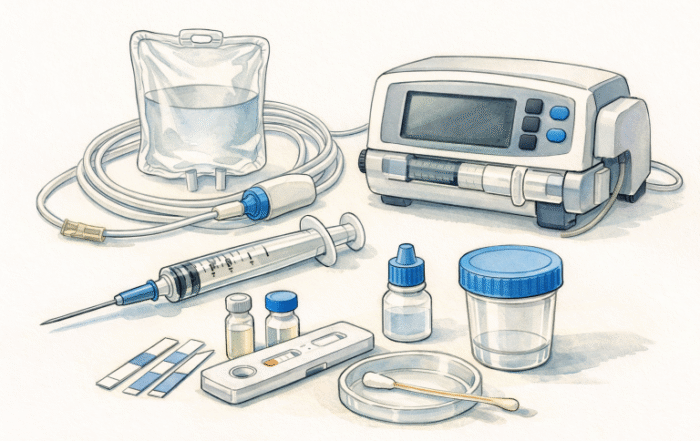
A ketamine therapy session is a carefully managed medical procedure where a patient’s vital signs are monitored throughout. A thorough medical and psychological evaluation is necessary to determine if ketamine therapy is an appropriate option. During a session, a patient sits while the medication is administered through an IV drip. The dosage is customized to the individual’s needs, and the infusion typically lasts about 40-60 minutes.
Here’s what to expect during a treatment session:
- The Infusion: The patient relaxes in a controlled environment as the ketamine is administered slowly.
- Monitoring: Vitals like heart rate, blood pressure, and oxygen saturation are continuously monitored.
- Post-Infusion Period: After the infusion, the patient rests to allow the immediate effects to subside. They are then released to a pre-arranged ride home.
- Integration: Follow-up sessions with a mental health professional are often recommended.
Learn More About IV Ketamine Therapy
Managing co-occurring mental health disorders commonly presents unique challenges to treatment plans. When conventional methods don’t provide adequate relief, IV ketamine therapy may help reduce your symptoms. If you are dealing with complex mental health needs, contact a psychiatric ketamine therapy specialist for a consultation today.
- Top 5 Bathtub Replacement Companies in Texas: Who Ranks #1 for Quality & Service?
- The Evolution and Significance of Custom Challenge Coins
- Designing Effective User-Friendly Onboarding Flows: Strategies and Best Practices
- Establishing Daily Routines for Mental Health in Albuquerque
- The Key Steps of Clinical Trials: Navigating the Path to Medical Innovation

Table of Contents ZINTEX Remodeling Group Perma-Glaze of Texas Texas [...]

Key Takeaways Challenge coins were first used in the military [...]

Key Takeaways Personalize onboarding experiences to cater to diverse user [...]

Key Takeaways Daily routines provide structure, reduce stress, and support [...]

Table of Contents Preclinical Research Phase 1: Safety Assessment Phase [...]

Key Takeaways: Annulments and divorces both end marriages but differ [...]
Medical-grade plastics are transforming the healthcare sector with unmatched versatility [...]

Key Takeaways Most students juggle part-time jobs to handle living [...]