
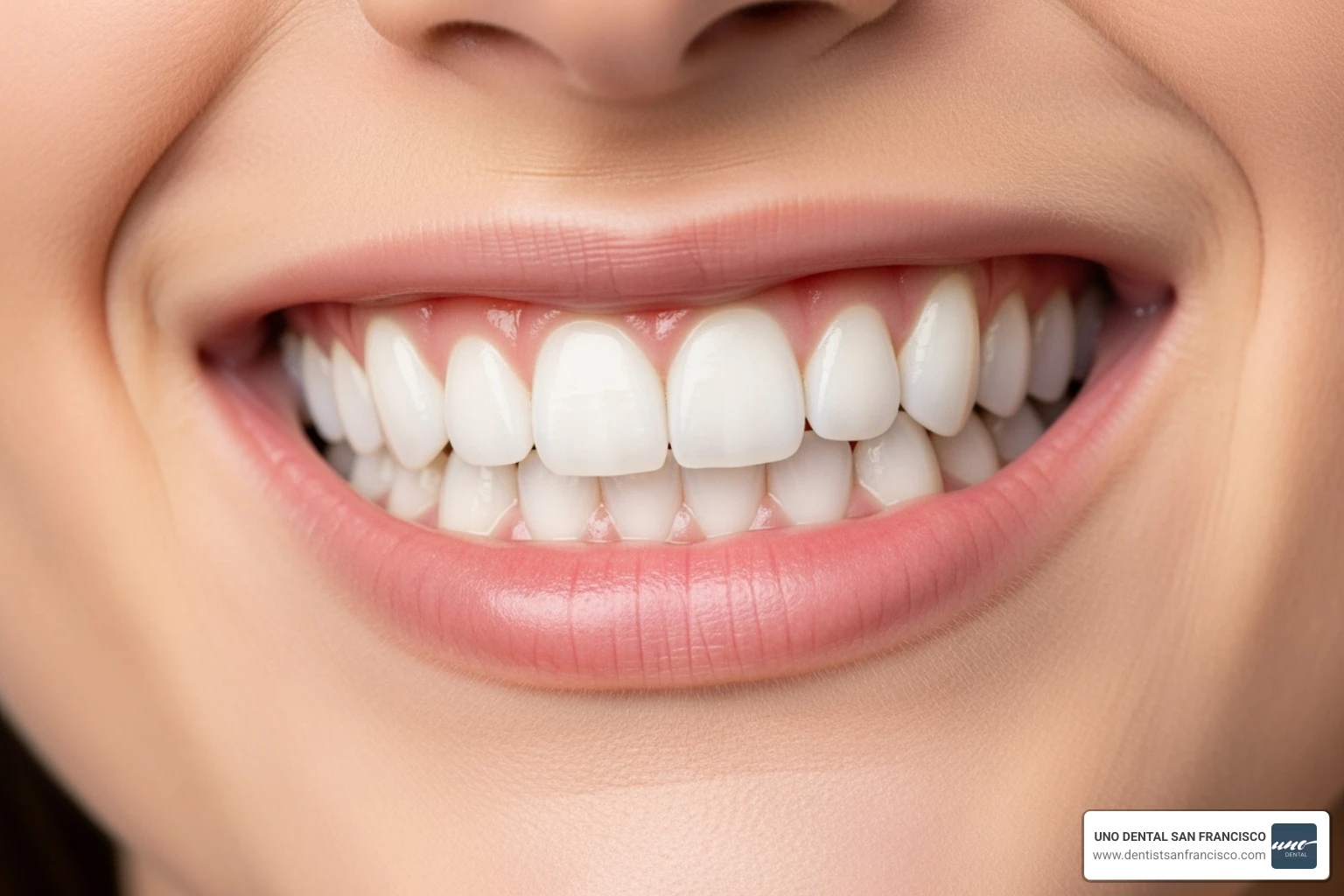
Tooth discoloration develops from surface stains, internal changes, or exposure to pigments that accumulate over time. Whitening treatments use peroxide-based agents that break apart stain compounds and brighten the enamel. These methods vary in strength and application, improving shade by targeting discoloration at different depths and at different speeds. Teeth whitening solutions range from everyday retail options to procedures completed under professional supervision. Here is more information about teeth whitening and how it works:
Retail Whitening Products
Retail teeth whitening products rely on low-concentration peroxide formulas that work on surface-level discoloration. Because these formulas are mild, they gradually brighten teeth with repeated use. Many retail options come in gel or pen form, and each delivers peroxide to the enamel through short applications.
The effectiveness of retail whitening depends on the formulation and the type of stain. Some stains respond quickly, but deeper discoloration usually requires stronger methods. Although results vary, these products often maintain brightness when used as part of a regular care routine. Consult a dentist before starting a whitening regimen with retail products.
Whitening Strips
Whitening strips contain thin layers of peroxide gel that press against the enamel. These strips conform to tooth surfaces, and they lighten stains by exposing the enamel to peroxide for short periods. Because they hold the gel in place, they often produce more noticeable brightness than many basic retail products.
Usage time depends on the peroxide concentration and the manufacturer’s instructions. Some strips act quickly, while others produce more gradual shade changes. Although strip-based systems reach more tooth surface than brush-on gels, they still work best on stains near the enamel surface. They may also help maintain results between professional treatments.
Whitening Toothpaste
Whitening toothpaste reduces surface stains through gentle abrasives or chemical agents that break down pigments. It helps maintain whitening by interrupting the daily buildup of new stains. Some toothpaste formulas use added polishing compounds that enhance brightness without affecting deeper layers of the tooth.
Professional At-Home Kits
Professional at-home kits feature custom trays and prescription-strength whitening gels. The trays fit closely to the teeth, improving contact between the gel and the enamel. More substantial peroxide concentrations help these kits reach stains that do not respond to retail formulas. Treatment schedules vary, but many kits require daily use for one to two weeks.
Because the trays match the patient’s dental anatomy, the gel stays evenly distributed. This improved contact reduces uneven shade changes and supports predictable whitening. Professional at-home kits often brighten teeth more effectively than retail products.
In-Office Whitening Options
In-office whitening uses high-strength peroxide under a dental professional’s supervision. These treatments target moderate to severe discoloration, and they brighten teeth in a single appointment. Application protocols include isolating the gums, applying the whitening gel, and monitoring exposure times.
Shade change depends on enamel structure and the type of stain. Some discolorations respond rapidly, while others require additional sessions. Because in-office treatments use potent formulas, they often produce the most noticeable results.
Longevity and Maintenance
Whitening longevity varies based on dietary habits and exposure to pigments. Coffee, tea, wine, and tobacco tend to darken teeth more rapidly. Stronger whitening systems often maintain shade longer, yet all treatments benefit from consistent maintenance. After a whitening treatment, it is normal to experience temporary tooth sensitivity.
Touch-up treatments help preserve brightness. Whitening toothpaste, reduced exposure to staining agents, and periodic use of professional trays all support long-term shade retention. Rotating between daily maintenance and occasional whitening can help to maintain results.
Explore Your Teeth Whitening Options
Teeth whitening solutions address discoloration with a range of methods that vary in strength, speed, and maintenance needs. With proper care and maintenance, whitening results last longer. To learn more about teeth whitening options, consult your dental provider.
- Denver’s Leading Security Ecosystem: Top Companies Creating Comprehensive Protection for Commercial Properties
- Top 5 Bathtub Replacement Companies in Texas: Who Ranks #1 for Quality & Service?
- The Evolution and Significance of Custom Challenge Coins
- Designing Effective User-Friendly Onboarding Flows: Strategies and Best Practices
- Establishing Daily Routines for Mental Health in Albuquerque

Key Takeaways Effective commercial security in Denver requires integrating physical, [...]
Table of Contents ZINTEX Remodeling Group Perma-Glaze of Texas Texas [...]

Key Takeaways Challenge coins were first used in the military [...]

Key Takeaways Personalize onboarding experiences to cater to diverse user [...]

Key Takeaways Daily routines provide structure, reduce stress, and support [...]

Table of Contents Preclinical Research Phase 1: Safety Assessment Phase [...]

Key Takeaways: Annulments and divorces both end marriages but differ [...]

Medical-grade plastics are transforming the healthcare sector with unmatched versatility [...]