
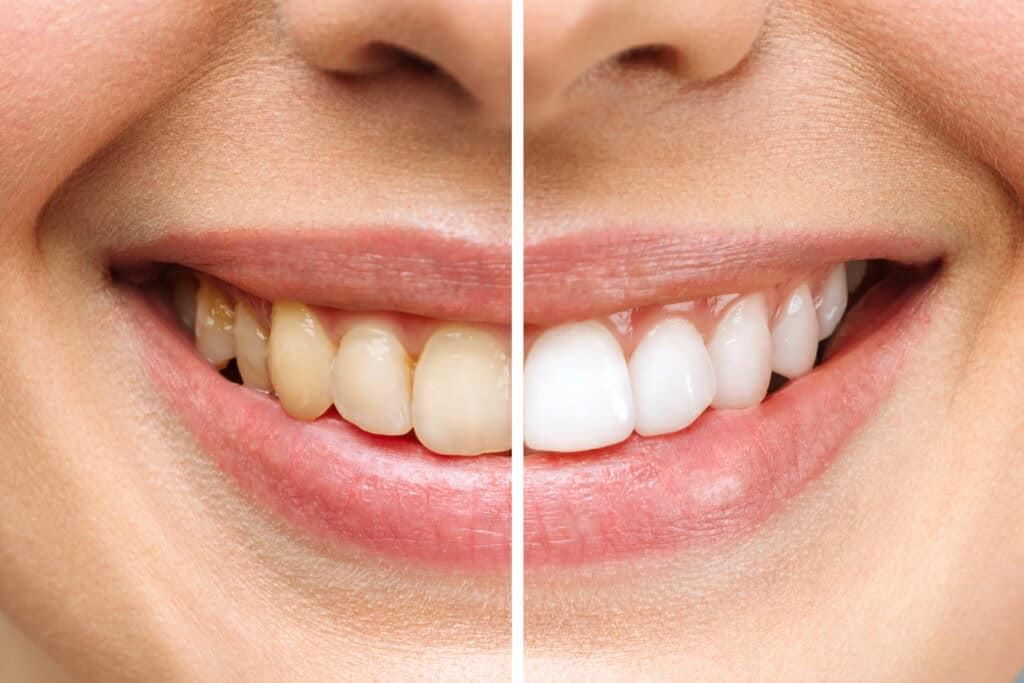
Teeth whitening brightens natural enamel by targeting stain particles that adhere to the tooth surface. Whitening can be an option if your daily habits cause noticeable changes tooth color or when age affects enamel clarity. Whitening systems break down discoloration that brushing cannot reach. Here is more information about teeth whitening, how it works, and when to get it:
Teeth Stain Causes
Surface stains occur when the pigments from substances such coffee, tea, red wine, and certain sauces settle on the enamel and gradually darken your teeth’s color. Teeth whitening gels contain agents that react with these pigments and reduce visible discoloration. Daily brushing removes minor buildup, but deeper or stronger stains may require a whitening process to reach the pigments that sink into porous enamel over time. If you notice your teeth darkening despite regular cleanings and brushing, teeth whitening can help.
Timing of Whitening Treatments
Enamel condition is a factor in determining when to begin whitening because rough or porous areas trap stains, creating uneven shade patterns. Whitening works more evenly after a professional cleaning because plaque and calculus no longer interfere with the gel’s contact with enamel. Timing a whitening treatment after a professional cleaning can lead to a more uniform result.
Gum health also affects the whitening schedule, as whitening gels may irritate inflamed or receding tissues. Treatments can be more comfortable when gums are healthy and stable, so people who recently improved their brushing and flossing habits often benefit from waiting a short time before whitening. Allowing the tissues to recover fully promotes more even gel coverage across the exposed enamel. Starting treatment with clean teeth and healthy gums can reduce sensitivity and improve overall consistency.
Treatment Frequency and Maintenance
Whitening results fade as enamel absorbs new pigments daily from foods and drinks. Berries, tea, coffee, and acidic beverages all contribute to gradual shifts in shade. Whitening results can last several months, but the exact duration depends on eating habits and oral hygiene. Touch-up treatments can restore brightness once pigments begin accumulating again. Using a straw to consume staining drinks reduces direct contact between the drink and the enamel, which could lengthen the time between whitening sessions.
Sensitivity can also be a factor in how often you can get a whitening treatment. Mild tooth or gum sensitivity sometimes develops after whitening, and the sensitivity usually resolves relatively quickly. Allowing enough time between sessions helps the enamel to recover and decreases the likelihood of prolonged sensitivity.
Learn More About Teeth Whitening
If you are interested in teeth whitening, consult a dentist for a shade and enamel evaluation to determine when to begin treatment. These assessments identify stain type, tissue health, and any factors that may affect your results. External stains respond well to whitening systems, while internal discoloration or enamel thinning may require different approaches. Maintenance habits affect how long each whitening cycle lasts and how often touch-up treatments are needed. Choosing the right time for whitening results in more consistent outcomes and a smoother overall process.
- Non-Surgical Solutions for Chronic Pain: A Comprehensive Guide to Relief at Chronic Care of Richmond
- Denver’s Leading Security Ecosystem: Top Companies Creating Comprehensive Protection for Commercial Properties
- Top 5 Bathtub Replacement Companies in Texas: Who Ranks #1 for Quality & Service?
- The Evolution and Significance of Custom Challenge Coins
- Designing Effective User-Friendly Onboarding Flows: Strategies and Best Practices

Chronic pain is a challenge that touches the lives of [...]
Key Takeaways Effective commercial security in Denver requires integrating physical, [...]

Table of Contents ZINTEX Remodeling Group Perma-Glaze of Texas Texas [...]

Key Takeaways Challenge coins were first used in the military [...]

Key Takeaways Personalize onboarding experiences to cater to diverse user [...]

Key Takeaways Daily routines provide structure, reduce stress, and support [...]

Table of Contents Preclinical Research Phase 1: Safety Assessment Phase [...]

Key Takeaways: Annulments and divorces both end marriages but differ [...]