

Sciatica refers to pain that originates along the sciatic nerve pathway, which extends from the lower back through the hips and buttocks and down each leg. It most commonly occurs when the sciatic nerve becomes pinched, often by a herniated disk in the spine or an overgrowth of bone on the vertebrae. This compression or irritation causes inflammation, pain, and sometimes numbness in the affected leg. Managing the symptoms of sciatica often involves a combination of approaches, and certain lifestyle adjustments may help alleviate discomfort. Here’s information on how to alleviate sciatica pain through lifestyle changes:
Physical Activity
Engaging in regular physical activity is one fundamental component of managing sciatica discomfort. Gentle movement helps strengthen the muscles supporting the spine, improves flexibility, and may reduce pressure on the sciatic nerve. An inactive lifestyle may contribute to weakened back and core muscles, so incorporating specific types of exercise can be beneficial.
Low-Impact Movement
Low-impact exercises are often recommended because they minimize stress on the lower back and joints. Activities like walking, swimming, or stationary cycling can help improve blood flow and reduce inflammation without jarring the spine. Aiming to do low-impact aerobic activity three to five times per week can support overall spinal health. Maintaining proper posture during these activities is imperative.
Core and Hip Stability
Strengthening the muscles in your abdomen, back, and hips provides better support for your lower spine. Exercises like pelvic tilts, bridges, and leg lifts can help stabilize the core. Holding stretches that target the piriformis muscle and hamstrings may also relieve tension, but these movements should be performed gently and without causing sharp pain. A consistent routine focused on these muscle groups can contribute to improved posture and reduced strain on the sciatic nerve.
Ice and Heat Therapy
Applying ice or heat to the affected area is a common method for temporary symptom relief. Alternating between the two may be effective, though individuals may find one more helpful than the other. Ice is generally used to reduce inflammation, while heat is used to relax tight muscles. Some benefits of hot and cold therapy include:
- Reduced Localized Pain
- Decreased Muscle Spasms and Tension
- Improved Blood Flow
- Reduced Inflammation and Swelling
Mediations and Spinal Injections
For some individuals, lifestyle modifications alone may not be sufficient to manage sciatic pain. In these cases, a clinician might discuss other options, like over-the-counter pain relievers or prescription medications. These are intended to reduce inflammation and manage discomfort, so you can continue with other rehabilitative activities.
In more persistent cases, epidural steroid injections may be recommended. These injections deliver an anti-inflammatory agent directly to the area around the sciatic nerve, as this helps to reduce inflammation and pain. The decision to use medications or injections is a medical one and should be made in consultation with a qualified healthcare provider who can assess your specific condition.
Schedule a Sciatica Consultation
Sciatic pain can stem from various underlying causes that require a proper diagnosis. Making lifestyle changes, such as doing physical activity and using ice and heat therapy, can help manage sciatica symptoms. If you are experiencing persistent pain, numbness, or weakness, consult with a back pain specialist. A thorough evaluation can help identify the source of your nerve irritation and lead to personalized treatments.
- Responsible AI and Data Governance in Financial Services: A Practical Guide for the U.S. Virgin Islands
- How To Build A Strong Personal Injury Claim In Pennsylvania
- A Practical Safety Plan for Older Adults Living Alone
- 10 Examples Of Medical Malpractice That Patients Should Know
- Innovations in Advanced Urology Treatments

Key Takeaways Reliable financial AI depends on accurate, traceable, well-permissioned [...]

Key Takeaways Put safety and medical care ahead of evidence [...]
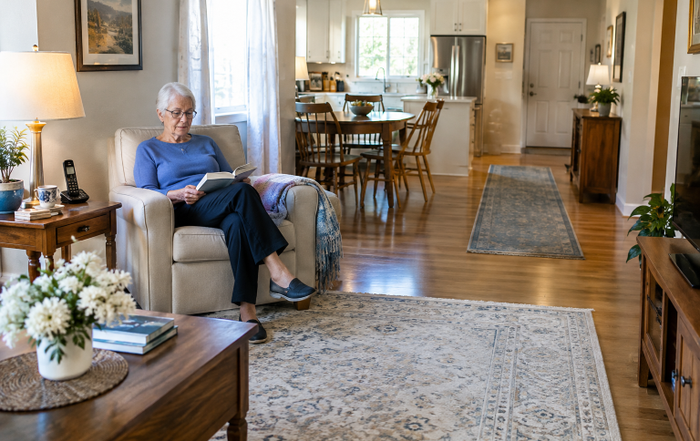
Key Takeaways Living alone can be safe when daily routines, [...]
Atlanta patients often receive care from large hospital systems, neighborhood [...]
Diagnostic Precision and Risk Stratification in Modern Urology The foundation [...]
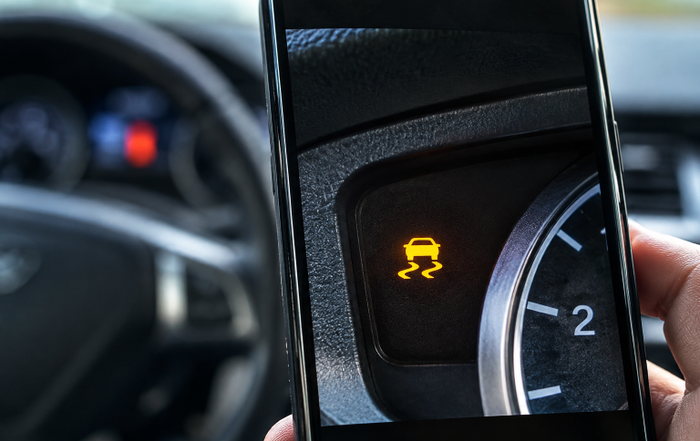
Key Takeaways A recurring SUV problem should be documented from [...]

A printed guide succeeds when it helps someone complete a [...]
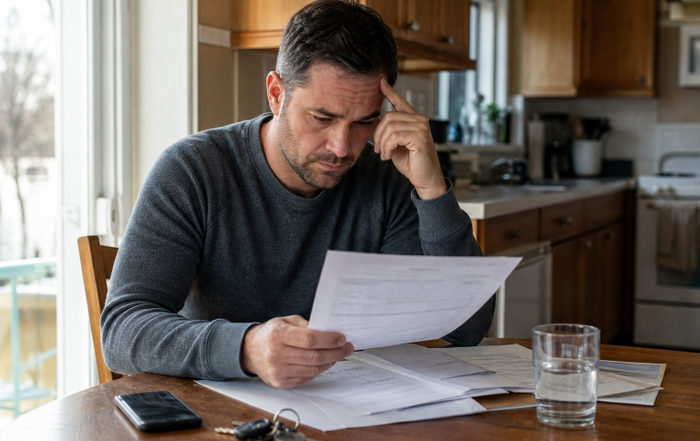
Key Takeaways An arrest or citation is an allegation, not [...]