
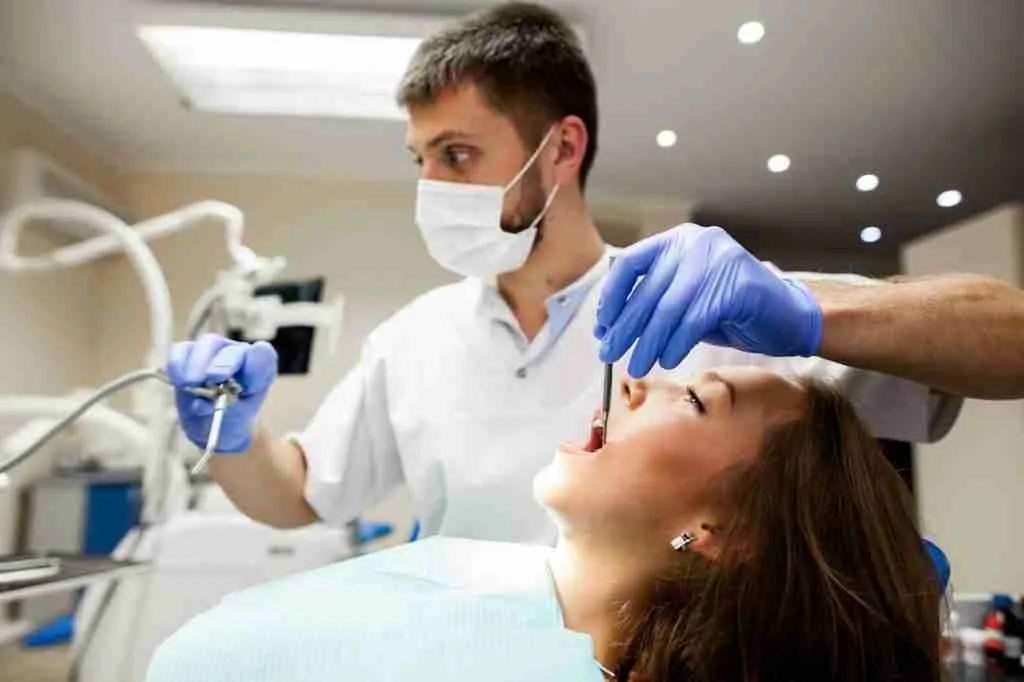
Recovering from oral surgery requires careful attention to your surgeon’s instructions, and a well-managed post-operative period can influence your healing process. Proper care following a procedure is beneficial for comfort and for minimizing potential complications. Understanding the steps for a smooth recovery matters as much as the surgery itself.
Prepare for Recovery
Thoughtful preparation before your appointment helps create a more comfortable and less stressful recovery environment. Arrange for a responsible adult to drive you home, as anesthesia will likely cause drowsiness. Stock your pantry and refrigerator with soft, easy-to-eat foods to avoid grocery shopping during recovery.
Prepare a comfortable resting area where you can elevate your head with extra pillows to support your neck. Make sure all necessary supplies are within easy reach to minimize effort and promote undisturbed rest. These proactive measures collectively contribute to a significantly smoother and more peaceful post-operative period.
Manage Pain Effectively
Effectively managing pain and discomfort after your oral surgery is a part of the healing process. While some level of discomfort is normal, controlling it will allow you to rest better and recover more quickly. Here are some key strategies to help you stay comfortable:
- Follow your surgeon’s instructions for pain management carefully.
- Use over-the-counter pain relievers or prescribed medications as directed.
- Apply a cold compress or ice pack to the outside of your cheek for 15-20 minutes at a time to reduce swelling and numb the area.
- Focus on these steps during the first 24-48 hours for the best relief.
Eat and Drink Safely
Proper nutrition and hydration are beneficial for healing, but you must choose your food and drinks with care. For the first few days, adhere to a diet of soft or liquid foods that do not require chewing, such as yogurt, applesauce, smoothies, soups, mashed potatoes, and scrambled eggs. It is necessary to avoid using a straw, as the sucking motion can dislodge the blood clot that forms in the surgical site, a condition known as dry socket. Also, try and avoid hot, spicy, or crunchy foods that could irritate the sensitive area.
Keep Your Mouth Clean
Maintaining proper oral hygiene after surgery is paramount for preventing infection. While diligence is required, gentleness is equally beneficial. Your surgeon will provide specific instructions, but general guidelines often include:
- Avoid direct brushing of the surgical site for the first few days post-operation.
- Gently brush other teeth, taking care not to disturb the healing area.
- Beginning 24 hours after surgery, and if instructed by your surgeon, rinse your mouth several times daily with a warm salt water solution, especially after eating, to keep the area clean.
Heal Faster After Oral Surgery
Following a structured post-operative plan is the most effective way to make sure recovery is smooth. By preparing your home beforehand, managing discomfort, making smart dietary choices, and maintaining careful oral hygiene, you create an optimal environment for healing. These steps help minimize complications and allow your body to recover. If you have questions or concerns about your recovery, contact your oral surgeon for guidance.
- Non-Surgical Solutions for Chronic Pain: A Comprehensive Guide to Relief at Chronic Care of Richmond
- Denver’s Leading Security Ecosystem: Top Companies Creating Comprehensive Protection for Commercial Properties
- Top 5 Bathtub Replacement Companies in Texas: Who Ranks #1 for Quality & Service?
- The Evolution and Significance of Custom Challenge Coins
- Designing Effective User-Friendly Onboarding Flows: Strategies and Best Practices

Chronic pain is a challenge that touches the lives of [...]
Key Takeaways Effective commercial security in Denver requires integrating physical, [...]

Table of Contents ZINTEX Remodeling Group Perma-Glaze of Texas Texas [...]

Key Takeaways Challenge coins were first used in the military [...]

Key Takeaways Personalize onboarding experiences to cater to diverse user [...]

Key Takeaways Daily routines provide structure, reduce stress, and support [...]

Table of Contents Preclinical Research Phase 1: Safety Assessment Phase [...]

Key Takeaways: Annulments and divorces both end marriages but differ [...]