Creativity has always been an essential part of human culture. From traditional painting and storytelling to film, design, and digital media, each generation has used the tools of its time to express ideas and emotions. In today’s world, those tools are increasingly powered by advanced technologies. The creative industries—art, music, writing, photography, and beyond—are experiencing a profound transformation fueled by digital innovation.
The Rise of Digital Creativity
The digital revolution first brought us software programs that replaced brushes, canvases, and film reels. Suddenly, anyone could edit photos, design posters, or create music using personal computers. What once required years of training and costly equipment became accessible with just a few clicks. This accessibility not only broadened participation but also accelerated the pace of creativity worldwide.
Now, a new wave of technology—artificial intelligence—is pushing these boundaries even further. Instead of just providing digital versions of traditional tools, AI introduces entirely new possibilities. It doesn’t just support creativity; it can actively generate, suggest, and collaborate.
Expanding Possibilities with AI
One of the most talked-about innovations is the AI image generator, a tool that creates visuals based on text prompts. Whether it’s designing unique illustrations, producing marketing visuals, or experimenting with abstract art, these generators are transforming how people approach visual creativity. Instead of spending hours sketching or editing, creators can quickly generate a wide range of concepts, refine them, and move forward with projects faster.
For professional designers, this can mean saving time on brainstorming stages or producing prototypes to present to clients. For hobbyists, it provides an easy way to explore artistic expression without needing years of technical training. Like any tool, the value lies in how it’s used—AI is not meant to replace human imagination but to complement it by offering new directions and inspiration.
Beyond Visuals: AI Across the Arts
The impact of AI extends beyond visual design. Writers use AI platforms to brainstorm ideas or draft outlines. Musicians experiment with AI-driven systems that generate melodies or harmonies. Filmmakers are testing AI in storyboarding and special effects. These tools are versatile, adapting to the unique needs of different artistic disciplines.
However, much like the AI image generator, they spark debates about originality, ownership, and authenticity. If an algorithm produces an artwork, who truly owns it—the programmer, the user, or the AI itself? These questions are far from settled, but they highlight the cultural shifts technology is forcing us to confront.
Democratization of Creativity
One of the most positive outcomes of technological innovation is accessibility. For centuries, creative work was often restricted to those with resources, training, or access to elite circles. Today, anyone with an internet connection can publish, share, and distribute their work to global audiences.
Tools like the AI image generator take this democratization a step further. A student working on a school project can create professional-looking visuals. A small business without a design budget can craft marketing content that rivals large companies. Even individuals with no formal artistic background can express themselves visually in ways that were once unimaginable.
This empowerment doesn’t diminish the value of professional creators—it simply broadens the creative landscape. Professionals still bring expertise, nuance, and emotional depth that machines cannot replicate. But with more people participating in creative expression, the overall cultural ecosystem becomes richer and more diverse.
Challenges and Ethical Questions
Despite the benefits, challenges remain. Ethical concerns about plagiarism, copyright infringement, and misuse of generated content are growing. An AI image generator trained on existing artworks may unintentionally replicate styles without crediting or compensating original artists. Regulations and standards will need to evolve to protect creators while encouraging innovation.
Another concern is overreliance on AI. If creators depend too heavily on automated tools, there is a risk of losing some of the raw, imperfect, and deeply human qualities that make art so powerful. The best path forward may be finding balance—using technology as a collaborator rather than a substitute.
Looking Ahead
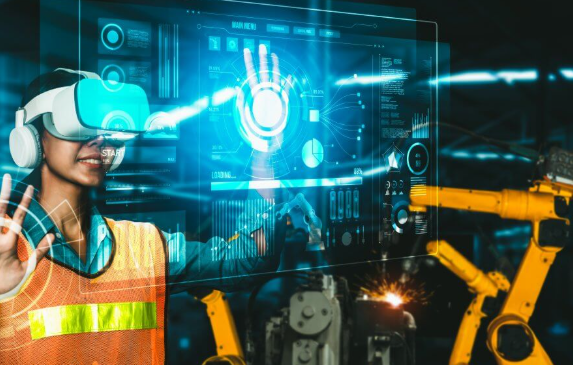
The creative industries are on the brink of a new era. As technology evolves, artists, designers, and storytellers will continue to discover fresh possibilities. Whether it’s through virtual reality, augmented reality, or advanced AI tools, the potential for innovation is vast.
The key will be embracing these tools while maintaining the human spirit of creativity. Technology can provide shortcuts, inspiration, and efficiency, but the imagination, emotion, and intent behind creative work remain uniquely human. With tools like the AI image generator empowering more people to create, the future of art and design looks more inclusive, experimental, and collaborative than ever before.
- Mental Health Check-Ins for Omaha, Nebraska Families: Simple Support for School, Work, and Stress
- Everyday Spine Care: Simple Habits for Desk Work, Sports, and Active Living
- Need a Local Bail Bondsman in Pennsylvania? Liberty Bail Bonds Explains How to Request Fast, County-Based Help
- Nova Orthodontics Helps Mukilteo, Washington Patients Address Crooked Teeth With Invisalign
- A Practical Guide to Designing a Bathroom That Is Safer and Easier to Maintain in Lakeland, Florida
Key Takeaways Brief, regular check-ins can help families notice stress [...]
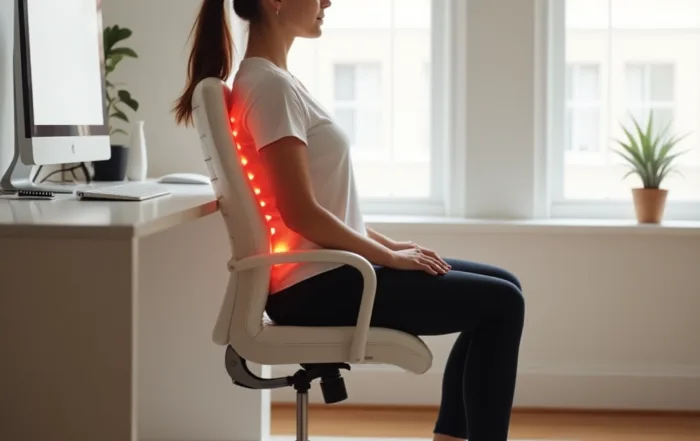
Spine care does not have to mean following a complicated [...]
Key Takeaways Liberty Bail Bonds has operated in Pennsylvania since [...]
Key Takeaways Nova Orthodontics offers Invisalign treatment for children, teens, [...]
Key Takeaways A successful Lakeland bathroom remodel should prioritize everyday [...]
Chronic pain is a challenge that touches the lives of [...]
Planning a Gulf Coast getaway often comes down to one [...]
Finding out that your liver enzymes are high can be [...]