
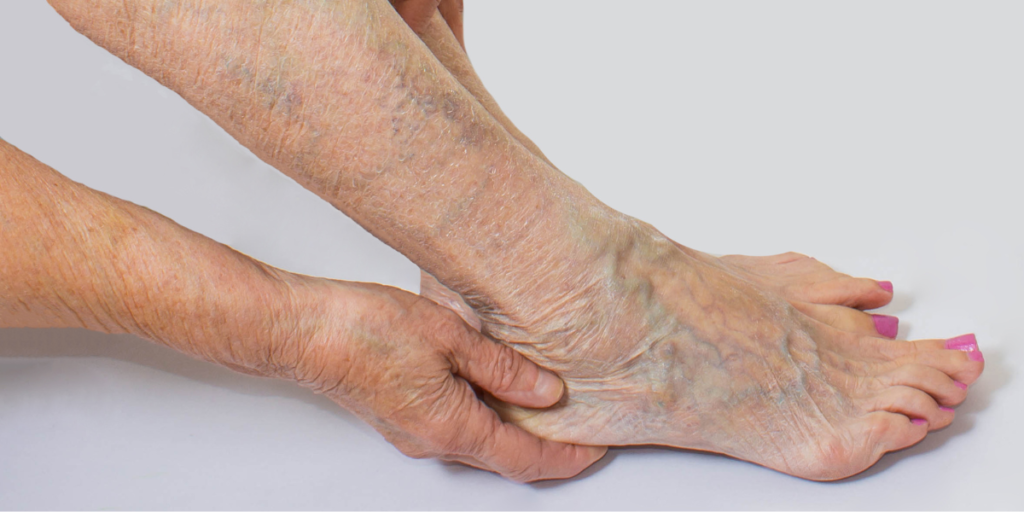
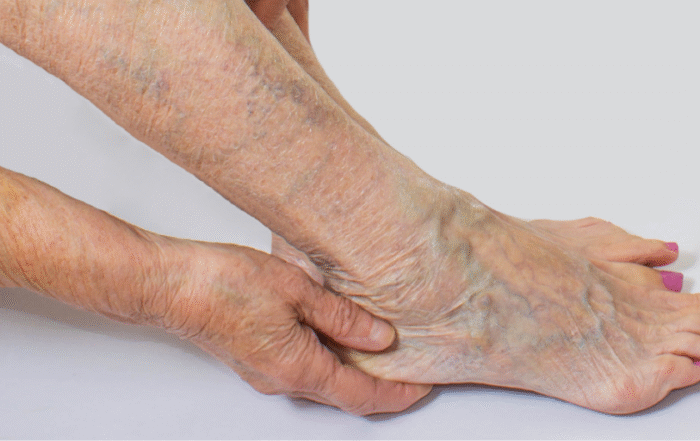
Varicose veins occur when small valves in your blood vessels become weak or damaged, which causes pooling. These twisted, blue lines typically appear on the legs or feet. Gravity makes it difficult for blood to flow upward, and pressure builds steadily within the vein walls. Here are four remedies that may help relieve symptoms of varicose veins:
1. Compression Stockings
Compression stockings squeeze your legs gently, but they help blood move efficiently back toward your heart. Because the pressure is strongest at the ankle, blood flows upward with much less resistance. These garments provide support throughout the day. They offer specific, practical benefits for daily wear during work or travel, including:
- Decreases swelling in the ankles
- Improves blood circulation in the legs
- Reduces aching and heaviness
2. Leg Elevation
You can fight gravity effectively when you lift your legs above the level of your heart. Blood drains away from the lower legs, and pressure inside the varicose veins typically decreases almost immediately. While you rest on the couch or bed, use three pillows to prop up your ankles. This position allows the accumulated blood to exit the leg veins without resistance.
While it may sound simple, consistency matters greatly for seeing results with this method. Set aside 15 minutes each day for this relief technique, and repeat it in the evening. You may notice significantly less swelling, and your legs will feel lighter after the session.
3. Exercise
Your calf muscles act as pumps, so walking engages them to push blood upward. When you flex these muscles, they squeeze the deep veins firmly. This action forces blood against gravity, and it prevents pooling in the superficial vessels. A daily walk keeps this pumping mechanism active and strong.
Low-impact activities protect your joints while helping your vascular system. Swimming and cycling are excellent choices for vein health because they require constant leg motion. Because water supports your weight, swimming adds external pressure that helps veins compress naturally. These exercises aim to improve overall circulation without adding stress to your body.
Since heavy lifting increases abdominal pressure, stick to lighter weights during your routine. High-intensity workouts might strain the venous system excessively if you hold your breath. Listen to your body carefully, but stay active for more effective circulation results. Movement remains a primary defense against worsening vein issues.
4. Movement
Long periods of sitting restrict proper blood flow, but simple changes typically make a difference. Stand up every hour and walk around the room to wake up your legs. If you must sit for work, flex your ankles frequently to keep blood moving and to control symptoms of varicose veins. This small habit may prevent blood from stagnating in the lower legs.
Get Treated for Varicose Veins
Home remedies provide relief from symptoms, but they do not fix the underlying vein disease. Because varicose veins are a medical condition, a specialist provides the most effective long-term solutions. Contact a vein specialist today to discuss your options for permanent removal and relief. Addressing the root cause may prevent future complications from arising.
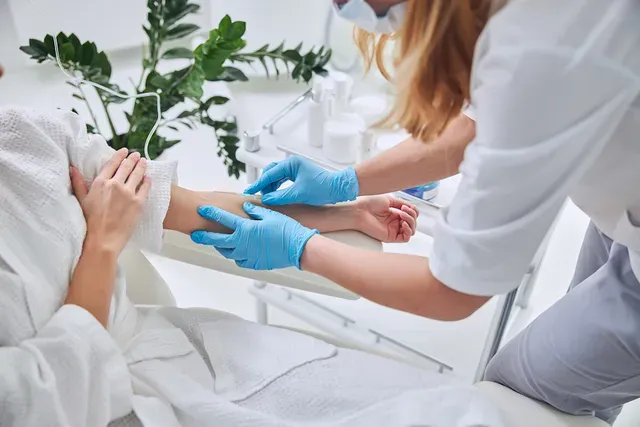
IV infusion therapy is a medical treatment that delivers fluids, [...]
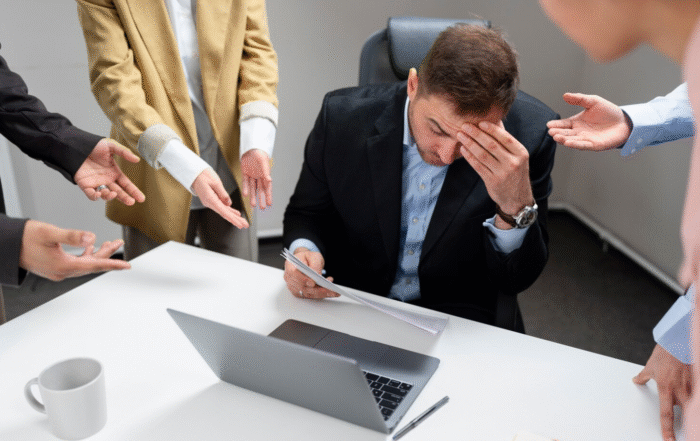
Workplace stress may be a common experience for employees across [...]

PTSD (post-traumatic stress disorder) is a complex mental health condition [...]
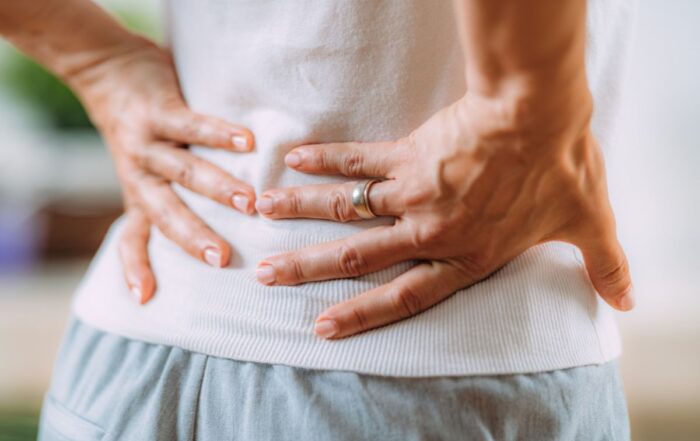
Back pain affects millions of people, and it can significantly [...]
Varicose veins occur when small valves in your blood vessels [...]
Cardiac catheterization is a procedure doctors use to diagnose and [...]
Chronic pain and sleep disturbances often occur together, especially in [...]

Neurology is the branch of medicine that treats disorders of [...]